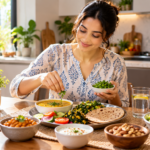
Actor Nargis Fakhri has highlighted eight common health and wellness priorities faced by women in 2026, drawing attention to the challenges of maintaining a balanced lifestyle amid busy schedules. The 46-year-old actor shared a relatable list of everyday health goals, touching on nutrition, sleep, physical activity, stress management and digestive health.
Her message reflects a growing focus on practical self-care and the importance of making healthy habits part of daily life rather than treating wellness as a short-term goal.
Eight Everyday Health Goals for Women
Nargis Fakhri’s list covers eight areas that frequently feature in conversations about women’s health: getting enough protein, managing stress through meditation, spending time in morning sunlight, walking more, drinking sufficient water, sleeping adequately, improving gut health and increasing fibre intake.
Although these goals may appear straightforward, consistently following them can be difficult when work, family responsibilities and other commitments compete for attention.
Why Nutrition and Gut Health Matter
Protein is an important part of a balanced diet because it supports tissue repair, immune function and the maintenance of muscle mass. Foods such as lentils, beans, dairy products, soy, eggs, fish and poultry can provide protein, depending on individual dietary preferences.
Fibre is another important component of a healthy eating pattern. Fruits, vegetables, whole grains, legumes, nuts and seeds can help support regular bowel movements and healthy blood glucose and cholesterol levels. Increasing fibre gradually and drinking enough fluids may also help reduce digestive discomfort.
Persistent digestive problems should be assessed by a healthcare professional rather than managed solely through supplements or restrictive diets.
Sleep, Stress and Daily Movement
Sleep and stress management are also important parts of overall well-being. Most adults need seven to nine hours of sleep each night, while meditation and breathing exercises may help people manage everyday stress.
Morning sunlight can help regulate the body’s internal clock, particularly when combined with a consistent sleep schedule. However, sun exposure should be sensible, with appropriate skin protection.
Walking is another accessible way to stay active. Although 10,000 steps can serve as a useful daily target, it is not a universal requirement for good health. People can benefit from increasing movement gradually according to their fitness, mobility and medical needs.
A Balanced Approach to Wellness
Adequate hydration is essential, but individual fluid needs vary depending on factors such as climate, physical activity, diet and health conditions. Drinking excessive amounts of water is not necessary for everyone.
The broader message behind these wellness priorities is that good health does not depend on achieving perfection or following every new trend. Balanced meals, regular physical activity, sufficient sleep and time for recovery can provide a practical foundation for long-term well-being.