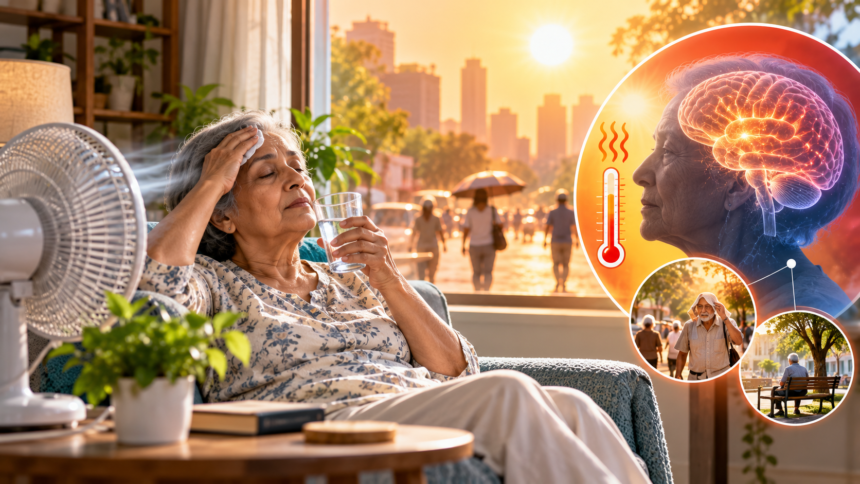
Rising temperatures may pose an additional health challenge for older adults, with new research highlighting a possible connection between extreme heat and dementia risk. The findings suggest that exposure to very hot weather may be especially concerning for people living in socially vulnerable communities.
What Researchers Found
Researchers examined the relationship between extreme outdoor heat and dementia risk, focusing on how environmental conditions and social circumstances may affect vulnerable populations. The findings suggest that areas with greater social disadvantage may face a heavier burden.
Why Heat Can Be a Public Health Concern
Older adults can be more vulnerable to heat because the body may become less effective at regulating temperature with age. Extreme heat can also worsen dehydration and place additional strain on the cardiovascular system.
The findings highlight the importance of considering both environmental conditions and access to support when planning public health responses.
How Older Adults Can Stay Safer During Hot Weather
Health experts recommend taking practical precautions during periods of extreme heat:
- Drink water regularly throughout the day.
- Stay in shaded or cool indoor spaces during the hottest hours.
- Wear lightweight, breathable clothing.
- Check on older relatives and neighbours, particularly those living alone.
- Seek medical help if symptoms of heat-related illness develop.