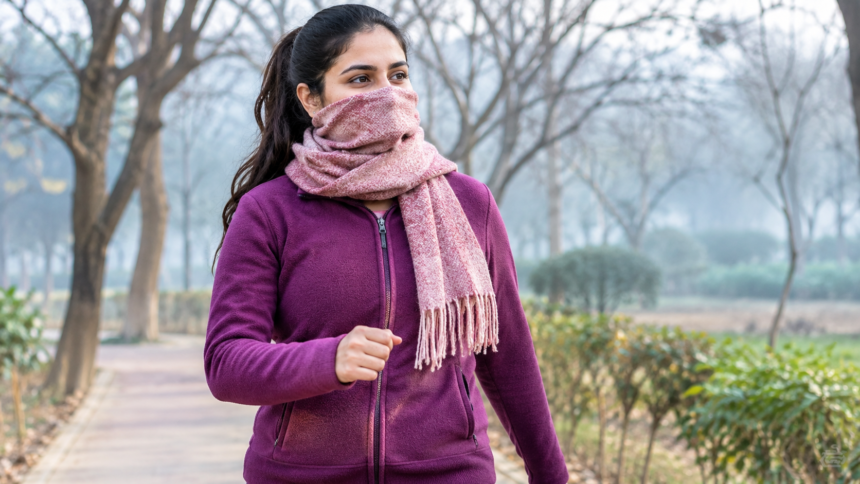
As temperatures begin to drop, people with asthma may face additional challenges while maintaining their regular fitness routines. Cold and dry air can irritate sensitive airways, making outdoor activities such as morning walks, jogging and cycling uncomfortable for some individuals.
Pulmonologists are highlighting the importance of taking appropriate precautions so that people with asthma can continue staying physically active during winter without unnecessarily exposing themselves to breathing difficulties.
Why Cold Weather Can Trigger Asthma Symptoms
Cold, dry air can make the airways more sensitive, particularly during physical activity. When people exercise, they tend to breathe faster, sometimes allowing colder air to reach the lungs without sufficient warming and humidification.
This can trigger a condition known as exercise-induced bronchoconstriction, which may cause coughing, wheezing, chest tightness and breathlessness.
Respiratory infections, dust, smoke and air pollution can also contribute to worsening symptoms.
Expert Advice for Safer Winter Workouts
Senior Consultant explains that people with well-controlled asthma can generally continue exercising during colder months with suitable precautions.
Some important recommendations include:
- Begin with a gradual warm-up before exercising.
- Use a scarf or suitable face covering over the nose and mouth outdoors.
- Prefer indoor workouts when the air is particularly cold or polluted.
- Choose comfortable activities such as walking or indoor cycling.
- Follow the asthma treatment plan prescribed by a doctor.
Why Medication Management Matters
People using prescribed asthma medication should continue following their doctor’s instructions. Those who experience exercise-related symptoms should discuss their condition with a healthcare professional rather than changing medication independently.
Repeated coughing, wheezing or breathlessness during physical activity should not be ignored.
Staying Active While Protecting Lung Health
Asthma does not necessarily mean giving up outdoor activities during winter. Understanding personal triggers, choosing suitable exercise conditions and following medical advice can help people maintain an active lifestyle.