

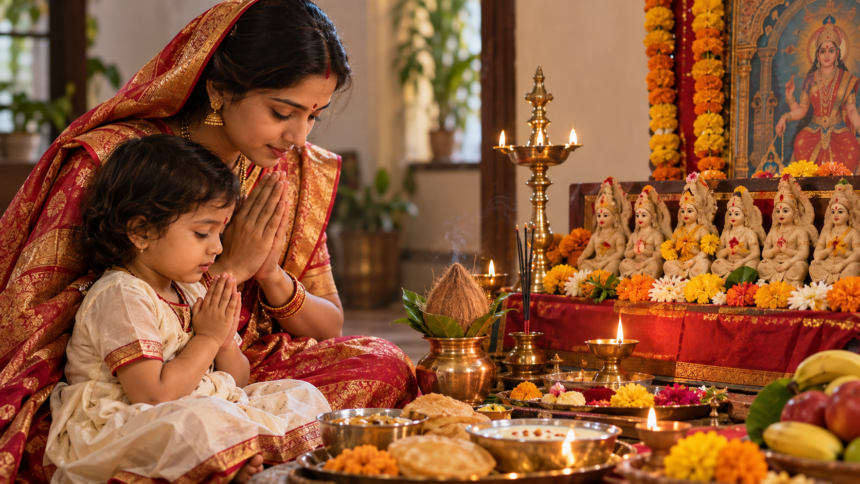
Pithori Amavasya 2026 will be observed on Thursday, September 10. Also known as Bhadrapada Amavasya, this important Hindu observance is associated with motherhood, children’s well-being, family prosperity and ancestral blessings.
On this day, mothers traditionally pray for the health, protection and long life of their children. The occasion also provides an opportunity for families to remember their ancestors and perform rituals seeking peace and prosperity for the household.
When Is Pithori Amavasya 2026?
According to Drik Panchang, Bhadrapada Amavasya will fall on September 10, 2026.
As per the Panchang timings for New Delhi:
- Amavasya Tithi begins: September 10 at 10:33 AM
- Amavasya Tithi ends: September 11 at 8:56 AM
The Amavasya Tithi will be present during Pradosh Kaal on September 10, which is considered an important period for performing the vrat and main puja.
Why Is Pithori Amavasya Observed?
Pithori Amavasya is primarily associated with prayers for children’s happiness, health and longevity. Mothers observe the vrat and perform prayers with the hope of protecting their children and bringing peace and happiness to the family.
The observance is also connected with family unity, continuation of the lineage and blessings for future generations.
Depending on the region and local customs, the day may also be referred to as Matru Amavasya or Pola Amavasya.
Why Is It Called Pithori Amavasya?
The word Pithori is traditionally associated with pishta, meaning flour or ground grain.
One of the distinctive features of this observance is the preparation of flour idols. During the rituals, representations of Goddess Pithori, the 64 Yoginis and the Sapta Matrikas may be created using flour and then worshipped.
The Sapta Matrikas, or seven mother goddesses, are:
- Brahmi
- Maheshwari
- Kaumari
- Vaishnavi
- Varahi
- Indrani
- Chamunda
The use of flour idols and worship of these specific divine forms gives Pithori Amavasya its unique religious identity.
Pithori Amavasya Puja Vidhi
The rituals can differ between families and regions, but the observance generally begins with a morning bath and preparation for the vrat.
A typical Pithori Amavasya puja may include:
- Taking a holy bath and cleaning the house
- Taking a sankalpa or religious vow for the vrat
- Preparing the puja area and required offerings
- Performing the main worship during Pradosh Kaal
- Worshipping Goddess Pithori, the 64 Yoginis and Sapta Matrikas
- Offering roli, turmeric, flowers, akshat, incense and diya
- Preparing traditional foods such as puri, kheer, jaggery-based preparations and ghee-rich dishes
- Listening to or reciting the Pithori Vrat Katha
Since customs vary from one community to another, families generally follow the traditions passed down within their household.
Pithori Amavasya and Ancestor Rituals
Amavasya also has an important place in Hindu traditions associated with ancestors. Many families use the occasion to perform Pitru Tarpan and Shraddha-related rituals.
Depending on family customs, people may offer water, food or charity in memory of departed ancestors. Such acts are traditionally performed with the belief that remembering and honouring one’s ancestors can bring peace and blessings to the family.
Significance of Pithori Amavasya
Pithori Amavasya brings together several important themes of Hindu tradition—motherhood, children’s welfare, family harmony and remembrance of ancestors.
For mothers, the day is an opportunity to offer prayers for their children’s well-being and long life. At the same time, ancestral rituals reflect gratitude toward previous generations and the importance of maintaining family traditions.
The observance therefore carries both emotional and spiritual significance, highlighting values such as family, gratitude, devotion and continuity across generations.
Disclaimer: Religious dates, timings and rituals can vary according to location, Panchang and family tradition. The information above is intended for general awareness and should be checked with a local priest or regional Panchang for specific observance.