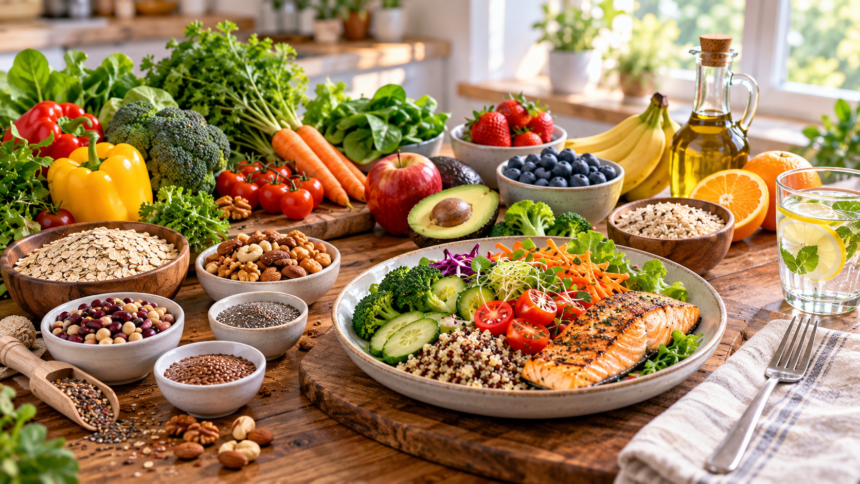
Different approaches to healthy eating may offer benefits beyond maintaining everyday health, according to recent research exploring the relationship between diet and biological ageing.
The findings suggest that people do not necessarily need to follow one specific diet to support healthy ageing. Several dietary patterns associated with better nutrition were linked to slower changes in biological age, highlighting the importance of overall food quality and balanced eating habits.
More Than One Approach to Healthy Eating
Healthy dietary patterns can vary in the foods they emphasise. Some focus on vegetables, fruits, whole grains, legumes and nuts, while others draw on traditional eating habits that include a variety of nutrient-rich foods.
The research examined multiple dietary patterns rather than treating one particular diet as the only possible route to healthier ageing. This approach highlights how different combinations of nutritious foods may support long-term wellbeing.
What the Findings Mean for Everyday Wellness
Biological age refers to estimates of how the body is ageing based on biological indicators, which can differ from a person’s age in years. It is a research measure and does not provide a definitive prediction of an individual’s health or lifespan.
The findings add to growing scientific interest in how everyday eating habits may influence health over time. However, an association between diet and biological ageing does not, by itself, prove that a particular diet directly slows the ageing process.
A balanced, varied diet remains a practical foundation for general wellbeing, while individual nutritional needs can differ according to age, health and lifestyle.