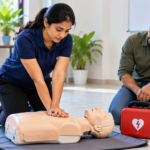
India is placing greater emphasis on preventive healthcare as lifestyle-related illnesses, including obesity, diabetes and fatty liver disease, become an increasing concern among younger people. Health experts and policymakers are calling for stronger awareness, early screening and healthier daily routines to reduce the risk of serious medical conditions.
Lifestyle Diseases Highlight the Need for Early Prevention
Heart-related problems among people in their 20s, alongside a growing burden of metabolic disorders, have renewed attention on the importance of preventing diseases before they develop. Unhealthy eating habits, limited physical activity and mental stress are among the factors being highlighted in discussions about the country’s changing health challenges.
The growing concern has encouraged healthcare professionals to focus not only on treating illnesses but also on helping people understand the everyday habits that can influence their long-term health.
Regular Exercise Does Not Always Require a Gym
Making physical activity part of daily life is emerging as an important step towards better health. Activities such as brisk walking, climbing stairs and completing household chores can help people remain active without requiring access to a gym.
Consistency is important when building healthier routines. Incorporating movement into everyday schedules can be a practical way for people with busy lifestyles to reduce prolonged inactivity.
Balanced Nutrition and Early Screening Remain Important
A balanced diet, routine health checks and timely medical advice are central to preventive healthcare. Early screening can help identify potential health concerns before they become more difficult to manage.
Health awareness programmes can also help people recognise risk factors and make informed decisions about nutrition, exercise and other lifestyle habits. Stronger community-level health initiatives can improve access to preventive information and encourage people to seek medical guidance when needed.
Greater Awareness Needed Across Communities
Healthcare discussions have also highlighted the role of public institutions, medical professionals and communication platforms in spreading reliable health information. Hospitals and healthcare workers can help patients understand preventive measures alongside their treatment.
The broader message is that preventing lifestyle-related illnesses requires a combined effort involving individuals, healthcare services and public awareness initiatives. Building sustainable habits early may help people protect their long-term health and reduce the burden of preventable disease.