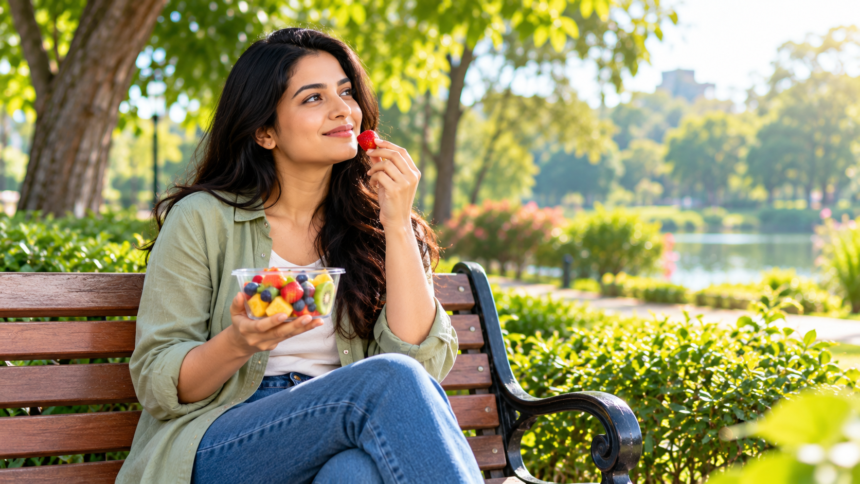
Spending time outdoors may offer benefits beyond relaxation and physical activity. New research reported on October 19, 2026, suggests that connecting with nature could also encourage people to develop healthier eating habits by improving body appreciation, self-compassion and awareness of their personal needs.
How Nature May Influence Food Choices
Natural surroundings can provide an opportunity to step away from everyday pressures and pay closer attention to personal well-being. Time spent in green spaces may also help people feel more connected to their surroundings and more mindful of their everyday choices.
Researchers are examining whether these experiences can influence how people think about their bodies and approach food. Greater body appreciation and self-compassion may help people make food decisions based on nourishment and well-being rather than negative feelings about their appearance.
The Connection Between Mental Wellness and Eating
Eating habits are influenced by several factors, including routine, emotions, food availability and personal preferences. A more mindful approach can help people recognise hunger and fullness cues and develop a healthier relationship with food.
Spending time outdoors may support this process by creating opportunities for relaxation and reflection. However, nature alone cannot guarantee changes in eating habits, and individual experiences may vary.
Simple Ways to Connect With Nature
Taking a walk in a local park, spending time in a garden or enjoying a quiet outdoor break can be accessible ways to connect with nature. These activities can be included in everyday routines without requiring special equipment or a major lifestyle change.
The emerging research highlights a possible link between the natural environment, psychological well-being and food choices. Further evidence will help clarify how strong this relationship is and whether nature-based activities can be used to support healthier eating patterns.