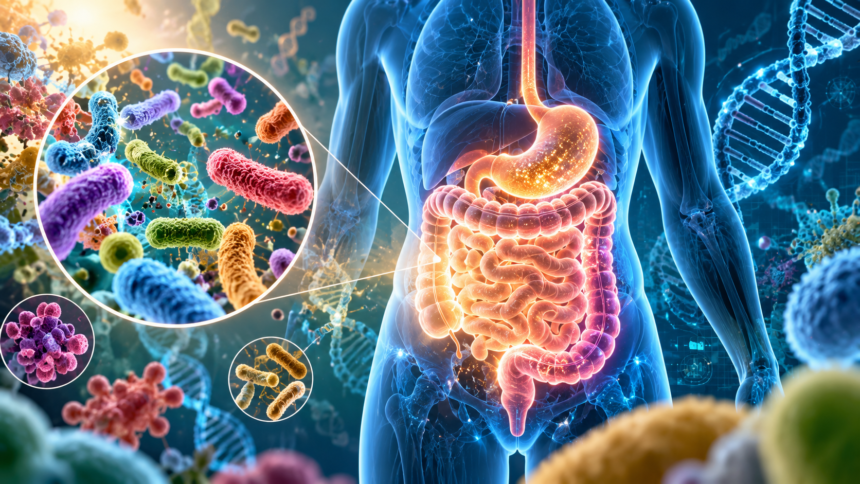
Scientists have discovered a potential connection between gut bacteria and the rate at which the human body ages. Research suggests that certain microorganisms living in the digestive system may be associated with slower biological ageing, while others are linked to faster ageing.
What the Research Found
The study analysed stool and blood samples from 123 adults to examine the relationship between gut bacteria and biological ageing markers. Researchers found that differences in gut microbial communities accounted for approximately 15% of the variation in biological ageing rates among participants.
Certain bacteria, including Bifidobacterium adolescentis, were associated with slower biological ageing. In contrast, Succinivibrio dextrinosolvens was linked to faster ageing.
Why Gut Health Matters
The gut microbiome consists of trillions of microorganisms that interact with the body’s digestive and other biological processes. Its composition can change in response to diet, lifestyle, environmental conditions and other factors.
These findings could help scientists better understand the relationship between gut health and long-term wellbeing.
More Research Is Needed
The study identified associations but did not prove that specific bacteria directly slow down or accelerate ageing. Further research is needed to determine whether changing the gut microbiome can influence the ageing process.
A balanced diet containing fruits, vegetables, whole grains and other fibre-rich foods can help support digestive health. However, no specific gut bacteria treatment has yet been established as a reliable way to slow biological ageing.