Himachal Pradesh could see stronger environmental safeguards for tourism projects under recommendations submitted by the Supreme Court’s Central Empowered Committee. The proposals call for scientific studies to determine how much tourism activity major destinations can sustain without putting excessive pressure on fragile mountain ecosystems.
The recommendations come amid growing concerns about landslides, road damage, construction and the environmental impact of increasing activity in the Himalayan region.
Scientific Studies Proposed for Popular Tourist Destinations
The committee has recommended carrying-capacity assessments for major tourist destinations in Himachal Pradesh. Such studies help authorities estimate how many visitors and how much construction an area can accommodate while protecting its natural environment and essential resources.
The findings could help officials plan tourism infrastructure more carefully, particularly in locations where roads, slopes, water supplies and waste-management systems face pressure during busy travel periods.
Greater Scrutiny of Hill Roads and Construction
The recommendations also call for closer examination of highway expansion and stronger coordination between departments responsible for roads, forests, tourism and environmental protection.
The committee highlighted concerns about landslide risks associated with engineering problems and excavation on steep slopes. It also pointed to damage along national highways and the need for better planning and compliance monitoring.
These issues matter to travellers because road conditions and slope instability can affect access to popular hill destinations, particularly during periods of heavy rain.
What Could This Mean for Travellers?
If the recommendations lead to new rules or planning requirements, some tourism and infrastructure projects may face more detailed environmental assessments. Authorities could also use carrying-capacity studies to guide future development in crowded destinations.
The proposals do not automatically introduce new tourist restrictions or establish visitor limits. Any changes would depend on the decisions taken by the relevant authorities.
Balancing Tourism With Himalayan Conservation
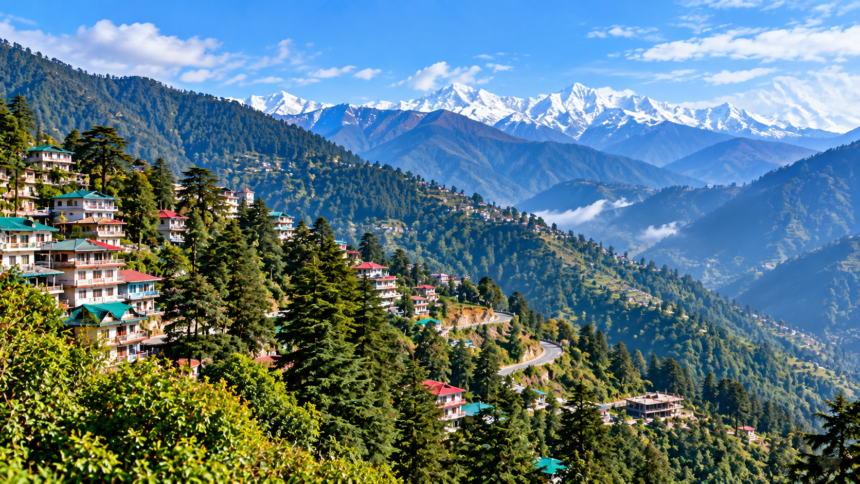
Himachal Pradesh depends heavily on tourism, with visitors drawn to its mountain scenery, forests, villages and adventure experiences. Better planning could help protect these attractions while supporting local communities and tourism businesses.
The challenge will be to improve visitor facilities and access without increasing environmental risks in already vulnerable mountain areas.