A new study involving more than 6,000 adults has found that diets containing more minimally processed foods may be associated with a lower risk of heart disease and Type 2 diabetes.
Researchers identified distinct patterns of molecules in the blood associated with diets rich in ultra-processed foods and those containing more natural or minimally processed ingredients.
Ultra-Processed Foods Linked to Higher Heart Disease Risk
The study found that people in the highest third of ultra-processed food consumption had a 17% higher risk of developing cardiovascular disease over the follow-up period compared with those in the lowest third.
Researchers also observed differences in blood fat markers, including lower levels of omega-3 fatty acids and HDL cholesterol among people with stronger biological signatures of ultra-processed diets.
Minimally Processed Foods Show Positive Associations
Participants with the highest intake of minimally processed foods had:
- 19% lower risk of cardiovascular disease.
- 40% lower risk of Type 2 diabetes.
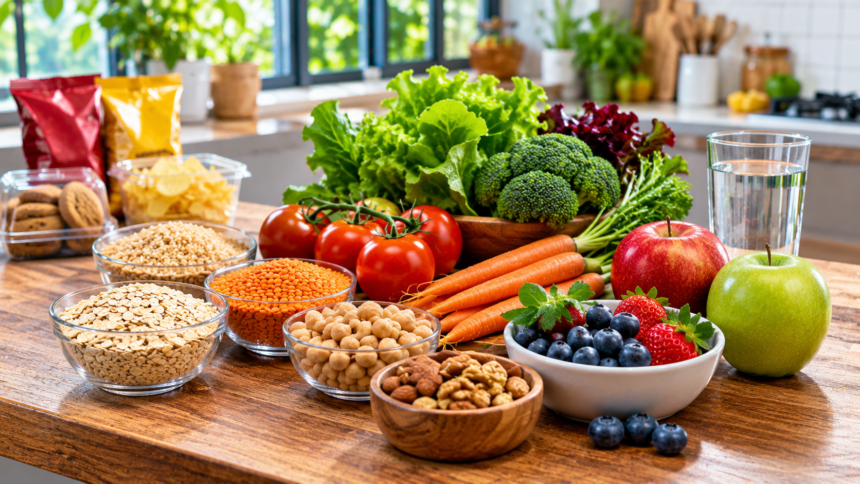
Foods such as fresh vegetables, fruits, whole grains, pulses, nuts and other minimally processed ingredients can form part of a balanced eating pattern.
Researchers Identify Changes in Blood Molecules
Scientists examined 233 metabolites, which are small molecules produced during the body’s metabolic processes.
They identified different metabolic patterns associated with the two dietary groups. These patterns helped explain part of the relationship between food choices and future disease risk.
What This Means for Everyday Eating
The findings highlight the importance of overall food quality rather than focusing only on individual nutrients.
Choosing fresh and minimally processed foods more often, eating a variety of vegetables and fruits, and limiting heavily processed packaged foods can support a balanced diet.
However, the study was observational, meaning it cannot prove that food processing alone caused the differences in disease risk.