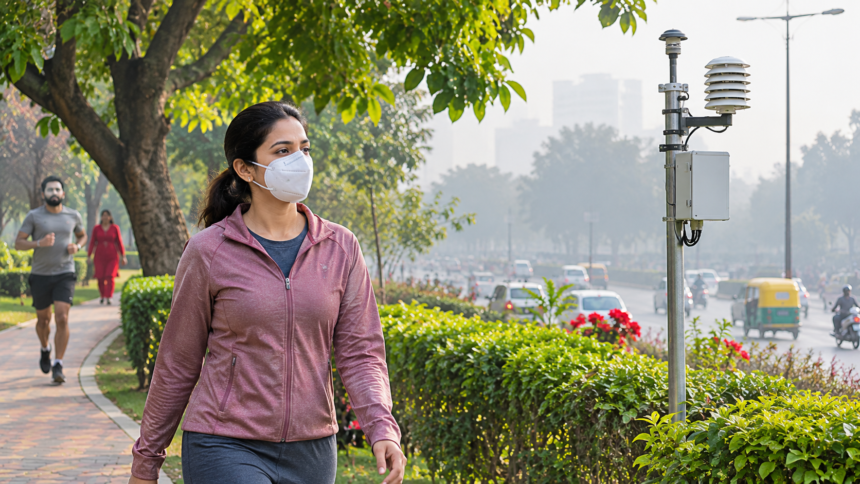
Air pollution is increasingly being recognised as a major public health concern, and new research has highlighted another possible consequence of long-term exposure to polluted air. A global review published in November 2026 has found an association between exposure to fine particulate matter, known as PM2.5, and a higher risk of developing type 2 diabetes.
According to the findings , every increase of 10 micrograms per cubic metre in long-term PM2.5 exposure was associated with a 10–16% higher risk of type 2 diabetes. The review examined more than 200 million participant observations, making it an important contribution to research examining the relationship between environmental pollution and metabolic health.
How Does PM2.5 Affect the Body?
PM2.5 refers to extremely small airborne particles that can enter the respiratory system when people breathe polluted air. These particles are produced by several sources, including vehicle emissions, industrial activities, construction dust and the burning of fuels.
Because of their small size, PM2.5 particles can travel deep into the lungs and may contribute to inflammation and oxidative stress in the body.
Researchers believe that prolonged exposure to air pollution may also affect metabolic processes involved in regulating blood glucose. These biological changes could help explain the association between polluted air and type 2 diabetes.
Why Are Researchers Concerned About Diabetes?
Type 2 diabetes is a long-term condition in which the body does not use insulin effectively or cannot produce enough insulin to maintain normal blood glucose levels.
Its development is influenced by several factors, including genetics, physical activity, nutrition, age and environmental conditions.
The latest research suggests that air pollution may be another factor worth considering when studying diabetes risk. This is particularly relevant for people living in heavily polluted urban areas, where exposure to fine particles can remain high for extended periods.
Why Is This Research Important for India?
Air pollution is a significant concern in several Indian cities, particularly during the winter months when particulate pollution can increase.
Large urban populations are exposed to pollution from traffic, construction, industrial emissions and other sources. The new findings highlight why air quality should be considered an important part of public health planning rather than only an environmental issue.
Researchers and health experts are increasingly calling for better coordination between environmental monitoring and healthcare systems.
What Can People Learn From the Findings?
The research highlights the importance of reducing long-term exposure to air pollution through cleaner transport, better urban planning and stronger pollution-control measures.
However, the findings show an association and do not prove that PM2.5 exposure directly causes diabetes in every individual. Diabetes risk remains influenced by several interacting factors.
The study adds to growing evidence that environmental conditions can play an important role in long-term health and that cleaner air may offer benefits beyond respiratory health.