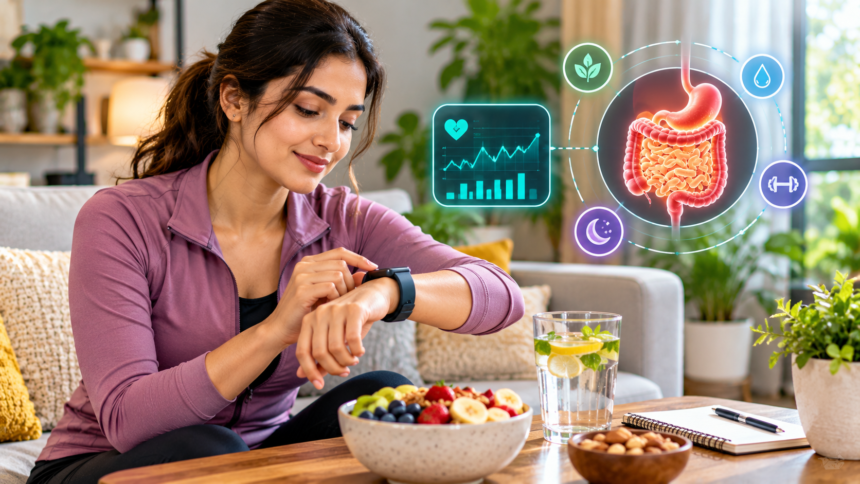
Wearable health devices are increasingly being explored as tools for monitoring digestive conditions, including inflammatory bowel disease and obesity. However, experts are also examining whether constant access to health data can create unnecessary anxiety for some users.
A health report highlights both the potential benefits and limitations of wearable technology in gastrointestinal care. The discussion focuses on how information collected by digital devices might support healthcare decisions without encouraging people to worry excessively about every change in their readings.
How Wearable Devices Could Support Digestive Health
Smartwatches and other wearable devices can collect information about physical activity, heart rate and sleep patterns. Researchers are investigating whether changes in these measurements could eventually help identify patterns associated with symptoms or changes in a person’s health.
For people living with chronic digestive conditions, continuous monitoring may offer useful information about how daily routines and symptoms change over time. However, the usefulness of each measurement depends on the device, the condition being monitored and the quality of the evidence supporting its use.
Can Constant Health Monitoring Increase Anxiety?
Having access to frequent readings does not always mean that a person will understand their health better. Normal fluctuations in measurements can sometimes be misinterpreted, particularly when users rely on device notifications without considering their wider health context.
Experts are therefore examining how wearable data should be presented and used. The aim is to ensure that technology supports meaningful healthcare decisions rather than causing unnecessary concern about everyday changes in the body.
Why Medical Context Still Matters
Wearable devices can provide additional information, but they cannot independently diagnose digestive diseases or replace a medical assessment. Their readings should be interpreted alongside symptoms, medical history and other relevant information.
People who use health trackers may benefit from focusing on longer-term patterns instead of reacting to every individual reading. Persistent or concerning symptoms should be discussed with an appropriate healthcare professional rather than assessed solely through a smartwatch or mobile application.
Finding a Balance Between Technology and Well-Being
Wearable technology may become a useful part of personalised healthcare as research advances. Its value will depend not only on how accurately devices collect information, but also on whether that information helps people make informed decisions without adding unnecessary stress.
Further research is needed to establish which measurements are genuinely useful for digestive care and how best to integrate wearable data into routine medical practice.