

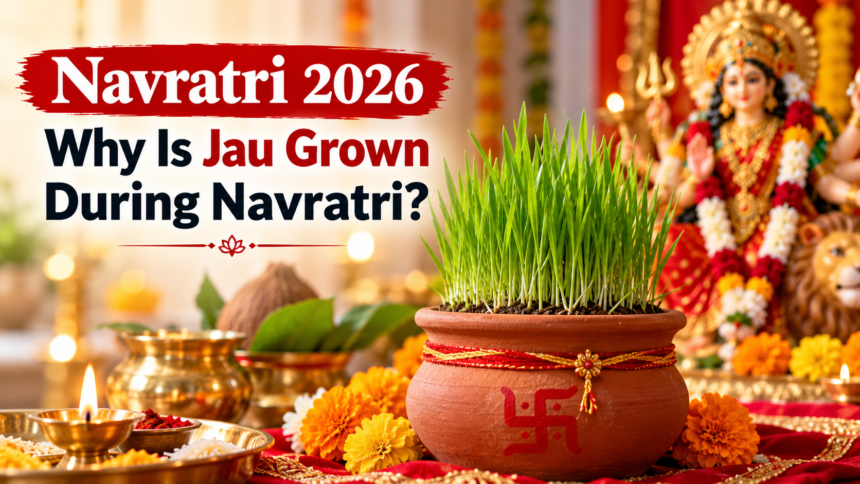
Shardiya Navratri 2026 begins on October 11, marking nine days of devotion to Maa Durga and her divine forms. One of the traditional practices observed in many Hindu households during this festival is sowing barley seeds, known as jau, during Ghatasthapana. The ritual is associated with prosperity, fertility, renewal and prayers for the Goddess’s blessings.
During the nine-day festival, devotees place barley seeds in soil and care for them as they grow into green shoots. This simple practice carries religious and cultural significance, symbolising new beginnings, the cycle of life and the importance of nature in sustaining human life.
For many families, growing jau is an integral part of welcoming Navratri. The ritual also reflects traditional hopes for abundance, agricultural prosperity and family well-being.
Why Is Jau Sown During Navratri?
Sowing barley seeds is traditionally associated with Ghatasthapana, the ritual that marks the beginning of Shardiya Navratri. Devotees prepare a vessel with soil, sow barley seeds and water them to encourage germination. The Kalash is also established as part of the worship, following the family’s customary rituals.
In Hindu traditions, soil represents the foundation of life, while seeds symbolise the potential for growth and transformation. As the barley begins to sprout, it serves as a reminder of nature’s ability to nurture and sustain living beings.
The practice is also linked to prayers for prosperity and abundance. Agriculture has traditionally been an important source of food and livelihood, making healthy crop growth closely associated with security and well-being. Sowing jau during Navratri therefore brings together devotion to Maa Durga and gratitude for the earth’s resources.
What Is the Spiritual Meaning of Jau in Navratri?
Barley holds a place in India’s agricultural and religious traditions. During Navratri, the growth of jau is commonly associated with hope, nourishment, spiritual development and prosperity.
The seeds initially remain hidden beneath the soil before gradually producing green shoots. For devotees, this natural process can represent the growth of positive intentions, the importance of patience and the rewards of consistent effort.
The ritual is also connected with Shakti, the divine feminine power worshipped during Navratri. Just as seeds require suitable conditions and regular care to grow, spiritual discipline is traditionally understood to require dedication, faith and perseverance.
Although the precise interpretation may differ between communities, the practice generally reflects themes of renewal, abundance and the nurturing power of nature.
What Does Green or Weak Jau Growth Signify?
Many families observe the barley shoots throughout the nine days of Navratri and interpret their appearance according to traditional beliefs.
Healthy, green and abundant shoots are commonly regarded as an auspicious symbol associated with prosperity and well-being. Sparse, weak or yellowing growth may lead some devotees to reflect on the ritual or seek guidance according to their family customs.
However, these interpretations are part of religious tradition and should not be treated as scientifically established predictions about future events. Barley germination depends on practical factors such as seed quality, moisture, soil conditions and temperature. The appearance of the shoots cannot reliably predict a family’s future prosperity or difficulties.
For many devotees, the greater significance lies in caring for the seeds and observing the process of growth throughout the festival.
How to Grow Jau During Navratri
For the traditional ritual, devotees generally use a clean, wide earthen pot, suitable soil and whole barley seeds. The seeds are spread over the soil, lightly covered and watered as required. The pot is then placed in the designated worship area as part of the Ghatasthapana arrangement.
The soil should be kept suitably moist without becoming waterlogged. Excess water may damage the seeds, while unsuitable or processed barley seeds may not germinate properly.
The exact method of preparing the pot and arranging the Kalash can vary according to regional customs and family traditions. Devotees observing a particular religious practice can follow the established procedure of their household.
Why the Jau Ritual Remains Important During Navratri
As Shardiya Navratri begins on October 11, 2026, the sowing of jau provides devotees with a traditional way to connect their worship of Maa Durga with gratitude for nature and the resources that support life.
The emerging green shoots represent growth, hope and renewal within the ritual’s religious symbolism. Their importance extends beyond their physical appearance, reflecting the faith and devotion that families associate with nurturing new life.
Through this practice, soil, water and seeds become part of the nine-day celebration, bringing together worship, traditional customs and the enduring cycle of nature.
Disclaimer
This article is intended for general informational and educational purposes. The religious meanings and interpretations associated with sowing jau during Navratri are based on traditional beliefs and may vary across regions, communities and families. Interpretations of barley growth should not be considered scientifically proven predictions of future events. Readers may follow the customs and rituals appropriate to their personal beliefs and family traditions.