

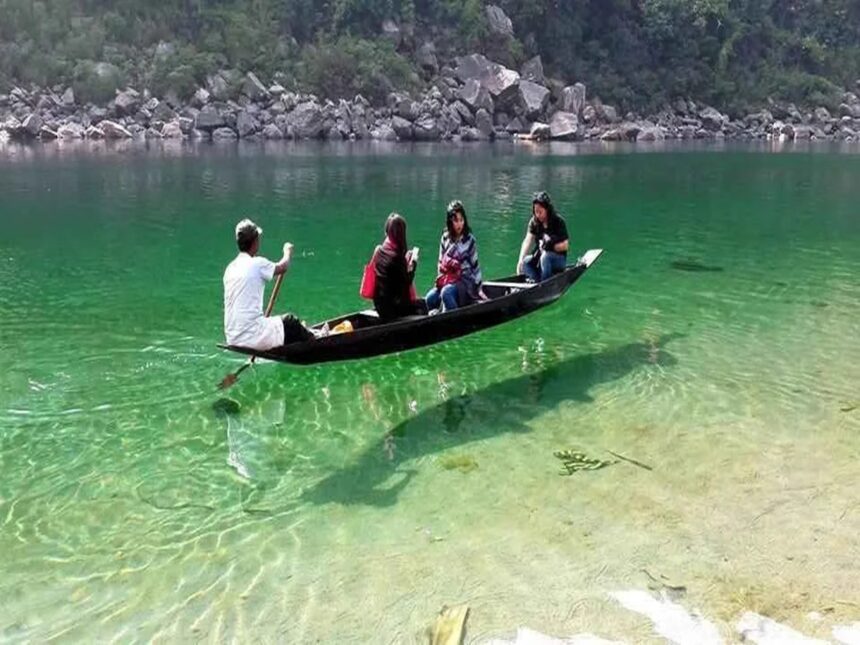
Tucked away in Meghalaya’s East Khasi Hills, Mawlynnong is a small village that has earned a big reputation for its remarkable cleanliness and community-driven way of life. Located around 90 km from Shillong, the village has become one of Meghalaya’s most distinctive destinations for travellers interested in sustainability, culture and responsible tourism.
With a population of around 900 people, Mawlynnong was recognised as “Asia’s Cleanest Village” by Discover India in 2003. But its reputation is about much more than spotless streets. The village demonstrates how residents can work together to maintain their surroundings while preserving long-standing Khasi customs and traditions.
Mawlynnong’s 2026 Sunday Rule
In March 2026, the village introduced an important change to its visitor policy. Mawlynnong stopped allowing day visitors on Sundays, following a decision by the village council.
The purpose of the rule is not simply to control tourism. Sundays are traditionally reserved by residents for church, family and personal time, giving the community an opportunity to slow down and rest after welcoming visitors throughout the week.
Travellers who had already booked accommodation were permitted to remain in the village overnight, while day-trippers were asked not to enter on Sundays. Buses travelling from Shillong also return on Sundays.
For tourists, this makes weekdays a more convenient time to explore Mawlynnong, particularly for those planning a day trip from Shillong.
What Makes Mawlynnong So Clean?
Mawlynnong’s cleanliness is not dependent solely on municipal workers or an elaborate government-run system. Instead, keeping the village clean is treated as a shared community responsibility.
Everyone Takes Part
Cleanliness begins at the household level and extends throughout the village. Residents, including children, participate in keeping roads, paths and common areas tidy. Sweeping public spaces is regarded as part of everyday community life.
Bamboo Bins and Waste Management
Visitors will notice bamboo waste bins placed along the village paths. There are roughly 150 bamboo dustbins throughout the area.
The village also separates waste effectively. Organic material is composted and can be used in household gardens, while plastic has been discouraged or banned for more than two decades.
Community-Based Enforcement
Mawlynnong’s system relies heavily on community values and accountability. Instead of depending primarily on monetary penalties, village standards are maintained through the social responsibility and standing associated with the village council.
The result is a culture in which residents themselves have a strong interest in protecting the cleanliness of their surroundings.
Exploring the Khasi Matrilineal Tradition
A visit to Mawlynnong also offers travellers an opportunity to understand the distinctive cultural traditions of the Khasi community.
Khasi society follows a matrilineal system, meaning family lineage and property traditionally pass through the mother’s side. The youngest daughter, known as Ka Khadduh, generally inherits the ancestral home and takes on the responsibility of caring for her parents.
Children traditionally take their mother’s clan name, while women play a central role in managing the household and safeguarding shared spaces.
For visitors, this cultural tradition provides an important perspective on the social structure of Meghalaya and adds another dimension to a trip beyond the village’s famous cleanliness.
Riwai Living Root Bridge: A Must-Visit Nearby Attraction
One of the most popular attractions associated with a trip to Mawlynnong is the famous single-decker living root bridge. However, there is an important geographical detail: the bridge is actually located in the neighbouring village of Riwai, approximately 2 km from Mawlynnong.
Known as the Jingmaham Living Root Bridge, the remarkable structure is estimated to be around 300 years old. Instead of being constructed from conventional materials, it was created by guiding the roots of the Indian rubber fig tree into a bridge-like structure.
Over generations, the living roots have strengthened and developed into a natural crossing, making the bridge one of the region’s most fascinating examples of traditional ecological knowledge.
Why Mawlynnong Is More Than a Tourist Attraction
Mawlynnong’s appeal goes beyond its reputation as a clean village. Its real distinction lies in the way residents have made environmental responsibility part of their daily lives.
The village demonstrates how community participation, cultural traditions and local decision-making can work together to maintain a shared standard of living. Visitors are not simply coming to see clean paths or take photographs—they are witnessing a community model built around collective responsibility.
Whether you are drawn to Mawlynnong for its immaculate surroundings, Khasi heritage or proximity to the living root bridge at Riwai, the village offers a meaningful experience for travellers looking beyond conventional tourist attractions.
Final Thoughts
Mawlynnong continues to stand out as one of Meghalaya’s most unique destinations because its cleanliness is not treated as a temporary tourism initiative. It is woven into the community’s everyday life.
The introduction of the 2026 Sunday visitor rule further reflects the village’s effort to balance tourism with the needs of its residents. By setting aside time for faith, family and rest, Mawlynnong is showing that sustainable tourism also means respecting the community that makes a destination special.
For travellers, the lesson is simple: Mawlynnong is best experienced not just as Asia’s cleanest village, but as an example of what collective responsibility can achieve.