India has introduced new national guidelines for monitoring sewage and wastewater to help identify potential disease outbreaks at an early stage. The initiative aims to strengthen the country’s disease surveillance system by using wastewater samples as an additional source of public health information.
Under the new framework, laboratories testing sewage samples will be required to upload their findings to India’s existing disease surveillance platform within 48 hours of completing the tests.
How Sewage Testing Can Help Detect Diseases
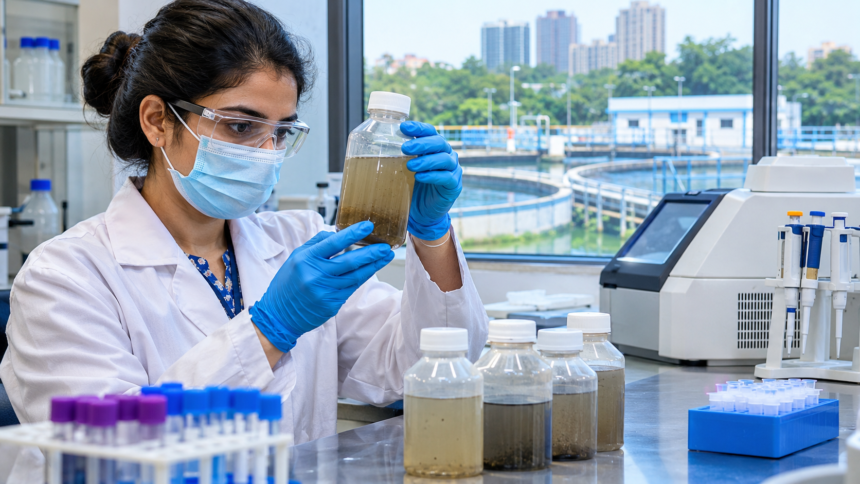
Wastewater can contain biological traces of infections circulating within a community. By examining these samples, health authorities may be able to identify signs of certain diseases even before a significant rise in hospital cases is reported.
This approach can provide an additional warning system and help public health teams monitor infection patterns across different locations.
Laboratories Must Report Results Within 48 Hours
The guidelines establish a common framework for collecting and testing wastewater samples across India.
Laboratories will have to submit their findings within the specified 48-hour period. This is expected to improve the availability of surveillance information and support faster assessment by health authorities.
A New Step Towards Stronger Public Health Monitoring
Wastewater surveillance can complement existing systems that depend on hospital reports, laboratory diagnoses and field investigations.
The initiative could help authorities identify emerging health risks earlier and plan appropriate public health responses. However, sewage testing is an additional monitoring tool and does not replace individual medical testing or diagnosis.