A recent study has highlighted a concerning nutritional gap among pregnant and breastfeeding women in parts of Northeast India. Researchers found that approximately one in five women included in the study had suboptimal levels of thiamine, also known as vitamin B1.
The findings have drawn attention to the importance of maternal nutrition and the need to identify vitamin deficiencies during pregnancy and breastfeeding.
Study Examined More Than 1,000 Women
The research, titled Re-Emergence of Thiamine Deficiency Among Pregnant and Lactating Women in Northeast India, was conducted during 2023–2024.
Researchers studied 1,083 women across 120 villages in Assam’s Barak Valley and adjoining districts of Tripura. The region has previously reported cases of beriberi, a condition associated with severe vitamin B1 deficiency.
Two different laboratory methods were used to assess the women’s thiamine status, providing both biochemical and functional measurements.
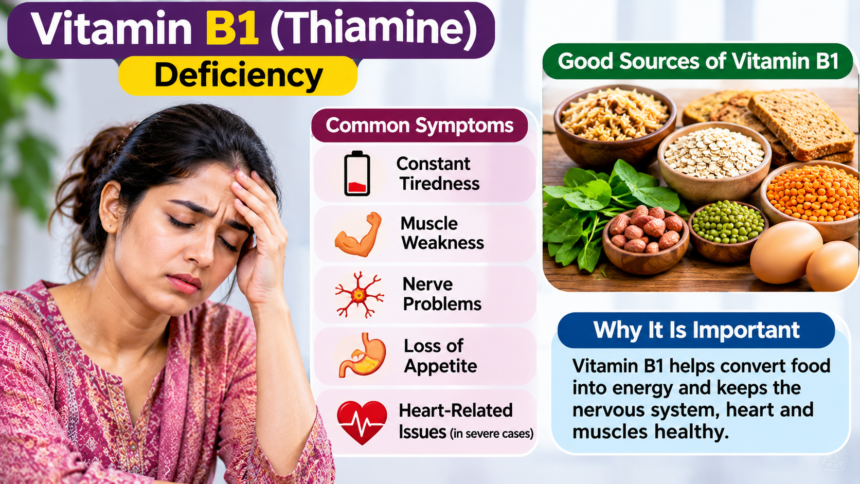
Why Vitamin B1 Is Important
Thiamine plays an essential role in converting food into energy and supporting normal nerve and muscle function. Insufficient levels can affect several body functions, particularly when the deficiency becomes severe.
Pregnant and breastfeeding women have important nutritional needs, making adequate vitamin intake particularly relevant during these stages.
Researchers Highlight Need for Better Maternal Nutrition
The study highlights the continued importance of nutritional monitoring among women in vulnerable communities. Improving dietary diversity and identifying deficiencies early can help strengthen maternal nutrition programmes.