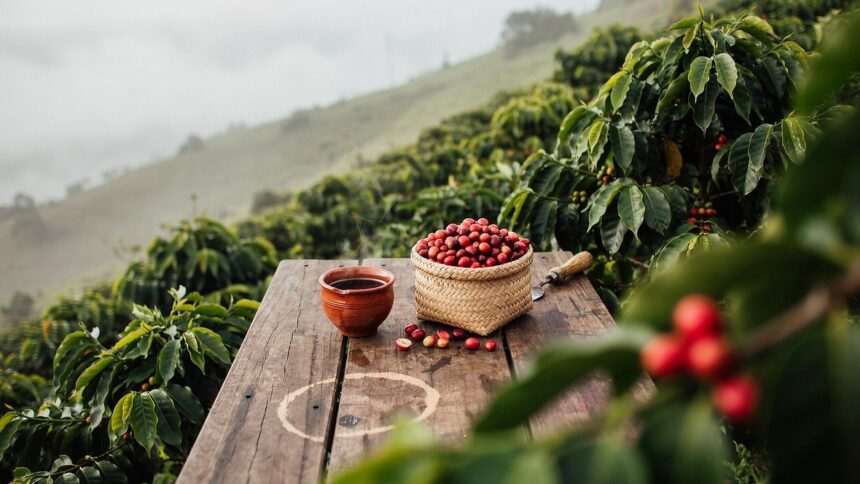
From mist-covered hills and sprawling plantations to traditional brewing methods and locally grown beans, the country has several destinations where coffee enthusiasts can experience the journey from farm to cup.
India’s coffee-growing regions are known not only for their distinctive flavours but also for their scenic landscapes and welcoming plantation stays. Whether you want to walk through coffee estates, learn about bean processing or enjoy freshly brewed coffee surrounded by greenery, these destinations offer a memorable travel experience.
Coorg, Chikmagalur, Wayanad, Araku Valley and Yercaud are among the places worth considering for a coffee-inspired holiday.
1. Coorg, Karnataka
<text color=”secondary” size=”sm”>Best time to visit: November to March</text>
Coorg, also known as Kodagu, is one of India’s best-known coffee-growing regions. Located in the Western Ghats of Karnataka, it is famous for its extensive plantations, rolling green hills and a landscape often covered in mist.
The region cultivates both Arabica and Robusta coffee, making it an appealing destination for travellers interested in different varieties and growing methods.
What to experience: Visitors can take guided plantation walks, learn about coffee cultivation and processing, and sample freshly brewed local coffee. Many plantation stays also offer an opportunity to enjoy the peaceful surroundings while experiencing life on a coffee estate.
Beyond coffee, Coorg’s forests, waterfalls and scenic viewpoints make it suitable for a relaxing hill getaway.
2. Chikmagalur, Karnataka
<text color=”secondary” size=”sm”>Best time to visit: September to March</text>
Chikmagalur holds a special place in India’s coffee history and is widely associated with the introduction of coffee cultivation to the country. According to local tradition, the Sufi saint Baba Budan brought seven coffee beans from Yemen in the 17th century and planted them in the surrounding hills.
Today, the region is known for its extensive coffee estates, mountain scenery and distinctive plantation culture.
What to experience: Travellers can explore coffee estates, learn about harvesting and roasting, and enjoy freshly prepared coffee made from locally grown beans. Some estates offer guided tours and accommodation surrounded by plantations.
Chikmagalur is also a popular base for exploring the Western Ghats, including the scenic hills around Mullayanagiri.
3. Wayanad, Kerala
<text color=”secondary” size=”sm”>Best time to visit: October to May</text>
Wayanad combines the charm of Kerala’s green highlands with a long-established coffee-growing tradition. Its forests, rolling hills and pleasant highland landscapes provide a beautiful setting for plantation visits.
Coffee is grown alongside crops such as pepper and other spices, creating a distinctive agricultural landscape. The combination of coffee estates and spice gardens makes Wayanad particularly appealing to travellers interested in local farming and food culture.
What to experience: Visitors can stay in plantation homestays, explore estate roads and learn about coffee cultivation. Sampling locally roasted coffee while surrounded by greenery is another highlight.
Wayanad’s waterfalls, wildlife areas and nature trails also make it a good choice for travellers who want to combine coffee experiences with outdoor exploration.
4. Araku Valley, Andhra Pradesh
<text color=”secondary” size=”sm”>Best time to visit: October to March</text>
Located in the Eastern Ghats, Araku Valley offers a different coffee experience from the plantations of southern Karnataka and Kerala. The region is known for coffee cultivated by tribal farming communities, with organic production playing an important role in its coffee identity.
Its green hills, scenic valleys and cooler climate attract travellers looking for a quieter destination away from major cities.
What to experience: A visit to the Araku Coffee Museum can help travellers understand the region’s coffee-growing history and production methods. Visitors can also sample locally produced coffee and learn about the role of indigenous farming communities in the area’s coffee industry.
Araku Valley’s natural scenery, cultural heritage and distinctive coffee offerings make it an interesting destination for a plantation-focused holiday.
5. Yercaud, Tamil Nadu
<text color=”secondary” size=”sm”>Best time to visit: October to June</text>
Situated in the Shevaroy Hills of Tamil Nadu, Yercaud is a hill station known for its greenery, pleasant highland setting and coffee plantations. Arabica is among the coffee varieties cultivated in the region.
Compared with some of India’s more prominent hill destinations, Yercaud can offer a quieter setting for travellers who want to combine plantation visits with a relaxed break.
What to experience: Visitors can explore coffee estates where tours are available, discover local cultivation practices and enjoy freshly brewed coffee. Plantation accommodation and nature-focused stays provide opportunities to spend more time amid the hills.
Yercaud Lake, scenic viewpoints and surrounding forested areas offer additional options for sightseeing between coffee experiences.