Manipur is seeking changes to its Protected Area Permit (PAP) system to make travel easier for certain foreign visitors of Indian origin. The proposal is aimed at encouraging tourism in the northeastern state, particularly at selected destinations in its valley region.
Tourism Commissioner N. Kheda Varta Singh has urged the Centre to consider relaxing permit requirements for overseas Indians who wish to visit the state with their families.
Why Manipur Wants the Rules Reviewed
The state shares an international border with Myanmar and is treated as a sensitive area. Foreign nationals currently require a Protected Area Permit to visit designated areas.
The tourism commissioner said that around 70–80% of Manipur’s important tourist attractions are located in the valley, where conditions have improved significantly compared with the period following the violence that began in 2023.
What Changes Are Being Proposed?
The tourism department has suggested considering exemptions for selected non-sensitive tourist locations in the valley. It has also proposed a simpler clearance process for verified, low-risk visitors, potentially involving local authorities or the tourism department.
These suggestions would require consideration and approval from the central government, including the relevant tourism and home affairs authorities.
Manipur’s Tourist Attractions
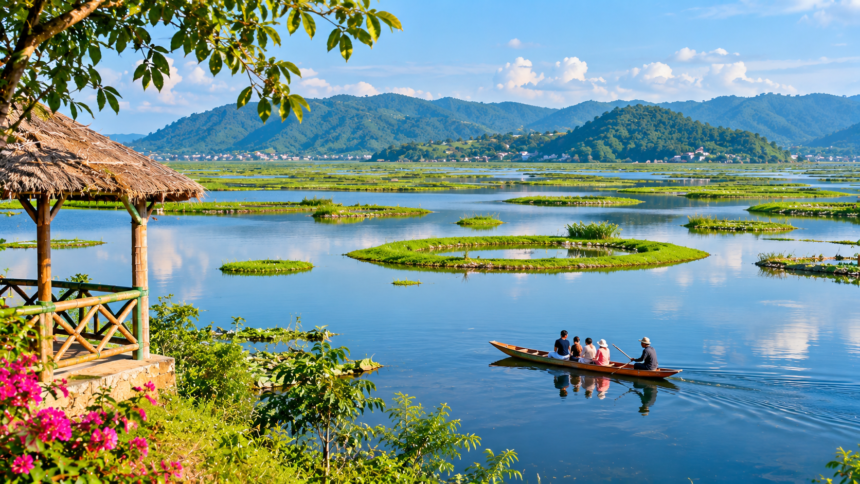
Manipur is known for its natural landscapes and cultural heritage. Popular places highlighted by the tourism department include Loktak Lake, the Japanese War Memorial and sites connected with the state’s history and polo heritage.
The commissioner said the state received around 1.6 lakh tourists in 2022–23, including approximately 5,400 foreign visitors. Tourist numbers fell to around 30,000 in 2025–26.
Have the Permit Rules Changed Yet?
No. The relaxation is currently a proposal, not an approved policy. Foreign visitors should continue following the existing permit requirements and check official travel guidance before planning a visit.
If approved, the proposed changes could make selected destinations more accessible to overseas Indian families while maintaining security checks in sensitive areas.