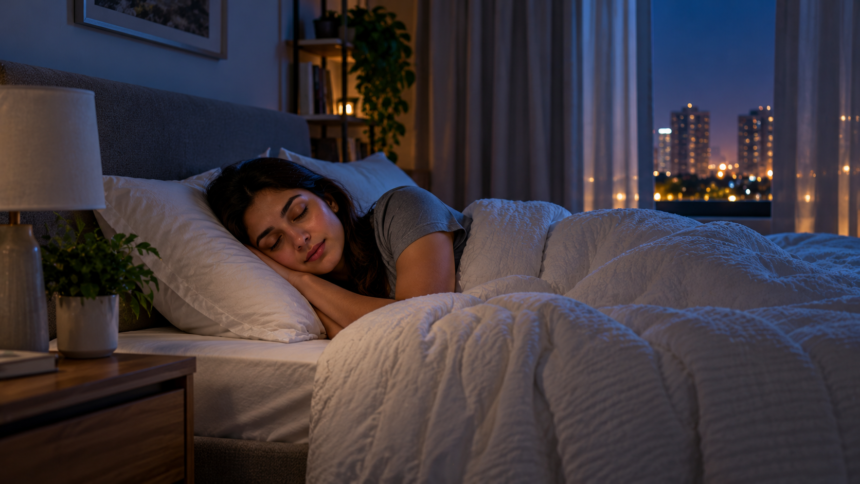
Keeping a bedroom brightly lit at night may affect more than sleep quality. New research has found an association between exposure to light at night and indicators of cardiovascular health, adding to growing interest in how everyday sleep environments may influence long-term wellbeing.
The findings highlight the importance of looking at the bedroom environment alongside other heart-health habits. However, the research shows a link rather than proving that nighttime light directly causes heart disease.
What Did the Research Examine?
Researchers studied more than 11,000 adults who did not have diagnosed heart disease when the study began. Participants wore wrist devices that recorded movement and surrounding light for one week. Around three years later, they underwent cardiovascular MRI examinations to assess aspects of heart structure and function.
The research adds to evidence that environmental conditions during sleep may be relevant to cardiovascular health, although further studies are needed to understand the relationship fully.
How Could Nighttime Light Affect Health?
Light exposure at night can interfere with the body’s natural sleep-wake rhythm. Poor or disrupted sleep may affect processes involved in blood pressure regulation and metabolic health, both of which matter for the heart.
Light is only one factor among many. Sleep duration, stress, physical activity, diet and existing health conditions can also influence cardiovascular risk.
Simple Ways to Create a Better Sleep Environment
- Keep the bedroom as dark as is comfortably practical while sleeping.
- Reduce unnecessary light from screens and bright lamps before bedtime.
- Maintain a consistent sleep schedule.
- Keep the room comfortable and quiet, and make time for regular physical activity.
These habits cannot guarantee protection against heart disease, but they can support healthier sleep. The key takeaway is that a good nighttime routine involves not only getting enough sleep, but also paying attention to the environment in which you rest.