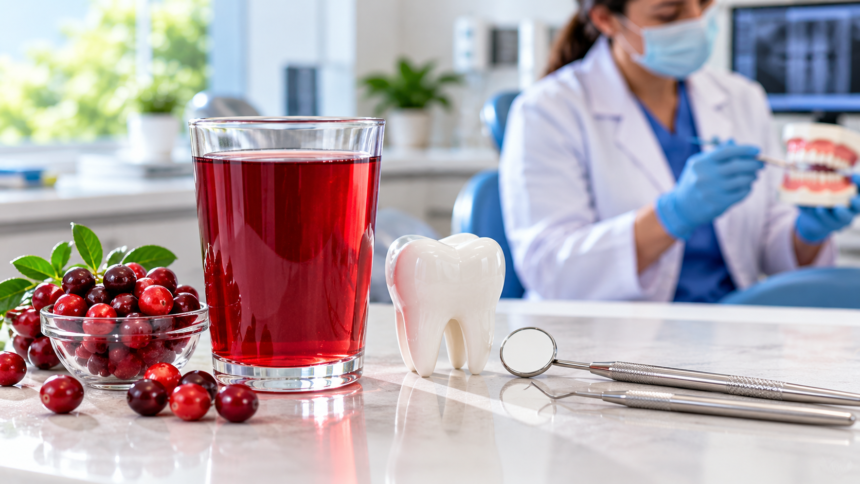
Pure, unsweetened cranberry juice may offer a potential benefit for oral health by slowing the growth of dental plaque bacteria and reducing the acids that contribute to tooth decay. Researchers found promising results in a small study involving both children and adults, although further research is needed to determine whether these effects can prevent cavities over time.
Study Examines Dental Health in Children and Adults
The research involved 22 participants: 14 children and eight adults.Participants were assigned to consume one of three beverages: pure, unsweetened cranberry juice, a cranberry drink containing 27% juice and added sugar, or plain water. Researchers collected dental plaque samples before the drinks were consumed and again 30 minutes later.
The team then compared the samples to assess changes in bacterial growth and acid production.
How Cranberry Juice May Protect Teeth
The results indicated that plaque exposed to pure cranberry juice showed slower bacterial regrowth. Researchers also observed reduced acid production in plaque samples from both children and adults.
This matters because bacteria in dental plaque break down sugars from food and drinks, producing acids that weaken tooth enamel and contribute to cavities.
Cranberries contain natural compounds called proanthocyanidins, which may influence the activity of certain bacteria. Researchers believe these compounds could help explain the effects observed in the study.
The sweetened cranberry drink and plain water did not produce the same statistically significant effects under the study conditions.
Why More Research Is Needed
Although the findings are encouraging, the study included only 22 participants and examined changes over a short period. It did not establish whether regularly consuming cranberry juice reduces the number of cavities people develop.
The acidity of cranberry juice is also an important consideration for dental health. The findings should not be interpreted as a recommendation to replace established oral hygiene practices with juice.
What This Means for Everyday Oral Care
The research adds to scientific interest in how foods and beverages may influence the bacteria associated with dental plaque. However, cranberry juice should not be considered a proven treatment for tooth decay.
Brushing twice daily with fluoride toothpaste, cleaning between teeth and having regular dental check-ups remain important parts of oral care. Further studies involving more participants and longer follow-up periods will help determine whether cranberry juice could have a meaningful role in preventing cavities.