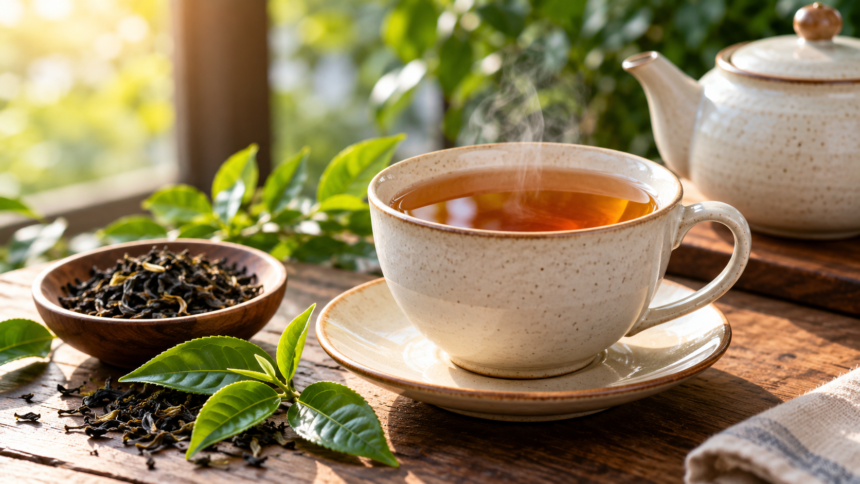
Regular tea consumption may be associated with better heart and blood vessel health, according to new research. The findings suggest that the type, strength and temperature of tea could all be relevant when examining its possible health benefits.
What the Research Found
Researchers analysed data from 485,934 participants in the China Kadoorie Biobank. Over an average follow-up period of 9.05 years, 14,863 cases of vascular disease were recorded.
People who regularly drank tea had an 11% lower relative risk of vascular disease than those who did not drink it regularly. The lowest observed risk was among people reporting around six to eight cups daily, although this should not be interpreted as a recommended intake.
Black tea showed the strongest association with lower risk in the analysis, while green tea was also linked to potential benefits.
Tea Temperature May Also Matter
The study found that people who described their tea as extremely hot had a 16% higher relative risk of vascular disease compared with non-regular tea drinkers. However, the researchers did not record exact drinking temperatures, and the observational study cannot establish that very hot tea directly causes disease.
Allowing tea to cool before drinking is a sensible precaution.
Healthy Habits Remain Essential
Tea alone cannot guarantee protection against heart disease or stroke. The findings also highlighted the importance of avoiding smoking and maintaining regular physical activity.
Choosing unsweetened tea and limiting excessive sugar can be part of a balanced lifestyle. People managing high blood pressure, diabetes or high cholesterol should continue following their healthcare professional’s advice rather than relying on tea as a treatment.
What the Findings Mean
The results suggest that regular tea drinking may be associated with vascular health, but further research is needed to establish whether tea itself reduces the risk of cardiovascular events. The amount of tea consumed should also be considered alongside individual caffeine tolerance and other health factors.