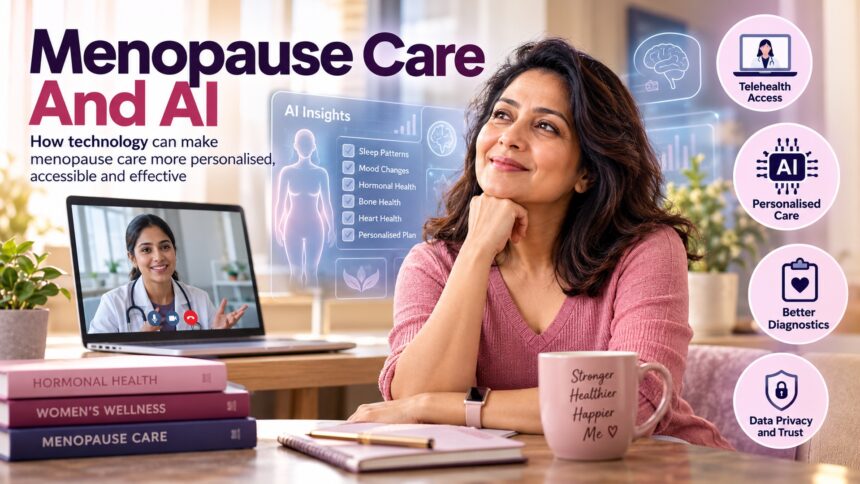
Menopause is a unique experience for every woman. While some experience sleepless nights, others struggle with joint pain, mood changes, fatigue or brain fog. Many also report feeling different from their usual selves. Despite these varied experiences, menopause symptoms are sometimes dismissed as a normal part of ageing, leaving women without the guidance and support they need.
Technology, including artificial intelligence (AI), telehealth and modern diagnostic tools, could help change this approach by making menopause care more personalised, accessible and responsive to individual needs.
Why Personalised Menopause Care Needs Better Diagnostics
Symptoms such as fatigue, low mood, poor sleep and difficulty concentrating may occur during menopause, but they can also be associated with other health conditions, including thyroid disorders, anaemia and vitamin deficiencies.
Automatically attributing every symptom to menopause could mean overlooking other underlying concerns. A personalised approach combines a woman’s symptom history, medical background and appropriate clinical assessments to guide decisions about further investigations.
Depending on individual symptoms and risk factors, a healthcare professional may consider assessments related to thyroid function, iron levels, blood sugar, cholesterol or bone health. Not every woman needs the same tests; investigations should be selected according to her clinical circumstances.
Wearable devices can provide additional information by tracking sleep, heart rate and temperature trends over time. These records may help women identify patterns and discuss persistent symptoms more clearly during medical appointments. However, wearables cannot independently diagnose menopause-related conditions.
Can Artificial Intelligence Improve Menopause Management?
Artificial intelligence has the potential to support more personalised menopause care by identifying patterns across different types of health information.
With appropriate consent, AI-assisted tools could help organise symptom diaries, relevant test results, sleep records, lifestyle information and medical history. By reviewing these details together, such systems may help identify patterns that deserve further clinical assessment.
For example, a combination of persistent symptoms and relevant health indicators might prompt a healthcare professional to investigate bone or cardiovascular health more closely. Digital tools could also help women track changes over time, prepare questions for consultations and remember follow-up appointments.
However, AI should support rather than replace medical professionals. Algorithms can organise information and flag possible patterns, but they cannot independently establish a complete diagnosis or determine the most suitable treatment for every woman. Clinical decisions must account for individual circumstances, medical evidence and professional judgement.
Why AI Menopause Tools Must Understand Indian Women
For menopause technology to be useful in India, it must reflect the country’s diverse population and healthcare needs.
Dietary habits, family responsibilities, cultural expectations, access to medical services and attitudes towards ageing can all influence how women experience and discuss menopause. Some women may find it difficult to talk openly about intimate symptoms, while others may have limited access to specialist care.
Language accessibility is equally important. Digital tools available only in English may exclude women who would benefit from information and support in Hindi or other Indian languages.
Developers should therefore evaluate these tools across diverse populations and make sure their recommendations are relevant, understandable and respectful. Cultural awareness should improve communication without leading to assumptions about any individual woman’s experience.
Protecting Women’s Health Data and Preserving Human Connection
As digital tools become more involved in women’s healthcare, privacy and security must remain priorities. Menopause-related information can include sensitive details about mood, sleep, sexual health, medical history and lifestyle.
Women should understand how their information is collected, stored, used and shared. Informed consent, robust security measures and transparent data policies are essential to building trust in digital health services.
There is also a risk that technology could make healthcare feel impersonal. A digital system may identify changes in sleep or mood, but it cannot automatically understand whether those changes are related to hormonal symptoms, stress, caregiving responsibilities or several factors together.
Human involvement remains essential. Technology should help healthcare professionals ask better questions, recognise concerns and listen more carefully—not reduce women’s experiences to scores or automated recommendations.
Ultimately, the future of menopause care lies in combining useful technology with personalised medical guidance, appropriate diagnostics, strong privacy protections and compassionate human support.