

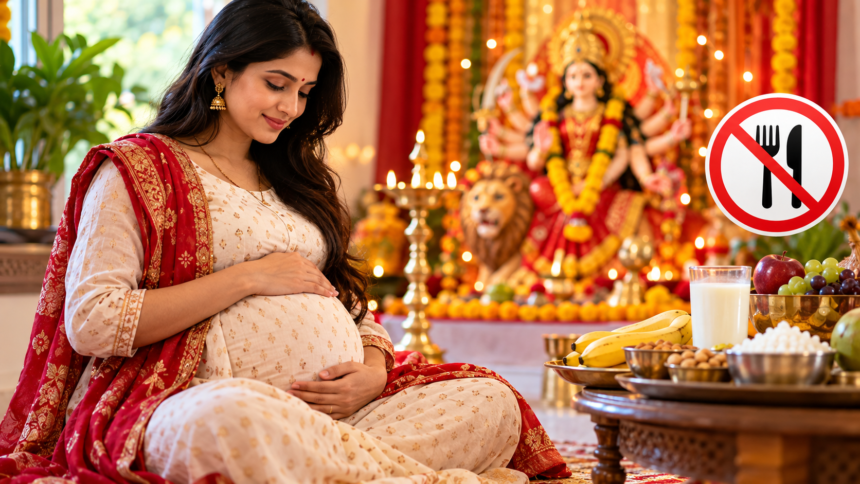
New Delhi: Navratri is observed with prayers, fasting and traditional rituals by millions of families across India. However, pregnant women who wish to participate in the nine-day festival may have concerns about whether avoiding food or water for religious reasons could affect their health or their baby’s development.
Fasting practices vary from person to person. Some women eat fruits and dairy products while avoiding grains, whereas others limit themselves to one or two meals a day. Certain traditions also involve going without water for extended periods. During pregnancy, however, meeting nutritional and hydration needs is particularly important, making it essential to consider individual health conditions before beginning a fast.
What Happens to the Body When You Skip Meals During Pregnancy?
During pregnancy, the mother’s body delivers oxygen and nutrients to the developing baby through the placenta. Glucose provides an important source of energy for both the mother and the growing fetus. When food intake is delayed, the body initially uses stored glucose and gradually relies more on other energy sources, including fat.
Missing a single meal does not automatically mean that a baby will be harmed or deprived of essential nutrients. The body has mechanisms to help maintain energy availability. However, repeatedly consuming too little food or following a diet that lacks essential nutrients can make it difficult to meet the increased nutritional demands of pregnancy.
The main concern is whether the mother receives sufficient calories, protein, healthy fats, vitamins, minerals and fluids over time. Prolonged fasting, particularly when combined with dehydration or an inadequate diet, may make it harder to maintain good maternal health.
Three Important Risks of Navratri Fasting for Pregnant Women
1. Low Blood Sugar May Cause Weakness and Dizziness
Long gaps between meals may cause symptoms such as headaches, sweating, shakiness, dizziness and weakness in some pregnant women. These symptoms deserve particular attention in women with diabetes who take insulin or certain medicines that lower blood sugar.
Fasting can make blood sugar management more complicated. Women taking prescribed medication should not change their doses or schedules without medical guidance. If significant dizziness, fainting, confusion or persistent weakness develops, stop fasting and seek medical advice. Severe symptoms require urgent assessment.
2. Avoiding Water Can Increase the Risk of Dehydration
Some Navratri observances involve abstaining from water for an extended period. During pregnancy, insufficient fluid intake can increase the risk of dehydration, particularly in hot weather or when vomiting, diarrhoea or excessive sweating is also present.
Warning signs may include intense thirst, a dry mouth, headaches, dark-coloured urine, reduced urination and light-headedness. Pregnancy increases the body’s fluid requirements, making adequate hydration especially important.
The effects of inadequate fluid intake depend on its severity, duration and the individual’s circumstances. A short fast does not automatically cause dehydration, and dehydration does not always mean that amniotic fluid levels have fallen. Nevertheless, prolonged waterless fasting should be discussed with a healthcare professional before it is attempted during pregnancy.
3. Restricted Meals May Lead to Nutritional Deficiencies
Common fasting foods include fruits, milk, potatoes, nuts and sabudana. These foods can be part of a suitable pregnancy diet, but the overall nutritional balance depends on the variety and quantities consumed.
A diet based mainly on potatoes or sabudana may provide carbohydrates without supplying enough protein, iron, calcium, fibre and other essential nutrients. Protein supports the growth of fetal tissues, while iron is necessary for red blood cell formation.
Consistently inadequate nutrition can affect the mother’s health and may compromise the conditions required for healthy fetal growth. Pregnant women should therefore consider the nutritional value of their meals rather than focusing only on which foods are permitted during the fast.
Does the Stage of Pregnancy Affect Fasting Safety?
The risks associated with fasting can differ depending on the stage of pregnancy and the mother’s existing health conditions. An uncomplicated pregnancy may present different considerations from a pregnancy involving severe morning sickness, anaemia, gestational diabetes, high blood pressure or concerns about fetal growth.
Women with diabetes, poor weight gain, significant anaemia, a history of fetal growth restriction or other high-risk pregnancy conditions may need additional precautions. In early pregnancy, nausea and vomiting can already make it difficult to eat and drink enough. Later in pregnancy, maintaining adequate nutrition and attending recommended monitoring appointments remain important.
There is no universal rule that fasting is safe during one trimester and unsafe during another. The decision should be based on individual medical circumstances and advice from an obstetrician.
How Can Pregnant Women Observe Navratri More Safely?
Women who want to honour Navratri can discuss alternatives to prolonged fasting with their healthcare provider. Depending on their religious practices and medical needs, possible approaches may include eating regular, balanced meals using suitable fasting foods and avoiding extended periods without food.
Milk, yoghurt, paneer and nuts can provide protein where appropriate. Women should also maintain adequate fluid intake if their chosen observance permits it, avoid relying entirely on fried foods or carbohydrate-heavy snacks, and continue prescribed medicines and prenatal supplements according to medical advice.
Those with high-risk pregnancies or existing medical conditions should consult their healthcare team before making changes to their diet, fluid intake or medication routine.
Warning Signs Pregnant Women Should Not Ignore
Pregnant women who are fasting should pay attention to persistent dizziness, fainting, severe weakness, repeated vomiting, difficulty keeping fluids down or a marked reduction in urination. If these symptoms occur, they should stop fasting and seek medical advice.
Vaginal bleeding, severe abdominal pain or reduced fetal movements after a usual movement pattern has been established require prompt medical assessment.
Missing one meal does not automatically harm a baby, and not every form of religious fasting leads to poor pregnancy outcomes. However, the safety of fasting depends on factors such as its duration, the mother’s nutritional intake, hydration and individual health.
Before starting a Navratri fast, speak with your obstetrician about your pregnancy and any potential risks. Religious observance can be meaningful, but protecting maternal health and supporting the baby’s development should remain priorities.
Disclaimer
This article is intended for general health information and is not a substitute for professional medical advice, diagnosis or treatment. The safety of fasting during pregnancy varies according to individual health conditions and pregnancy-related risks. Pregnant women should consult a qualified healthcare professional before undertaking restrictive fasting, particularly if they have an existing medical condition or a high-risk pregnancy. Seek urgent medical care for severe symptoms or other pregnancy-related warning signs.