The World Health Organization (WHO) has intensified its global emergency response to El Niño, warning that changing weather conditions could increase the risk of several public health problems. India is among the countries identified as facing high or very high health risks.
India Faces Multiple Health Concerns
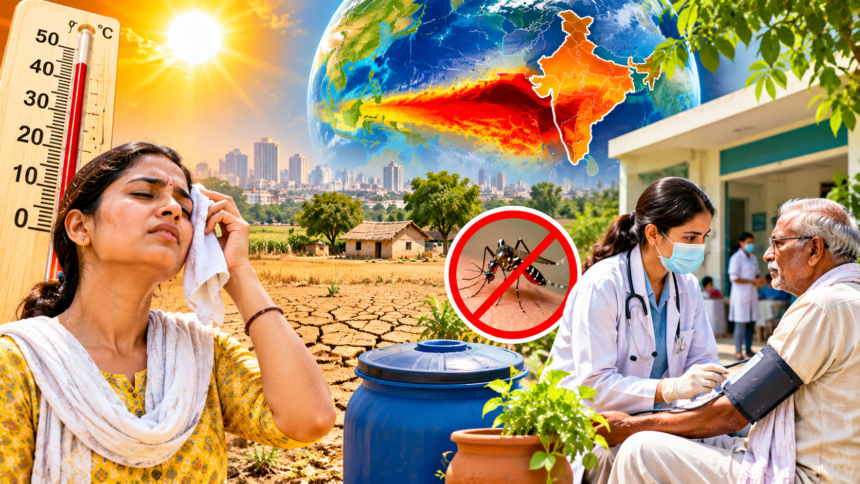
According to WHO’s latest assessment, unusually high temperatures and changing rainfall patterns could increase health risks across India. Extreme heat, water shortages, infectious diseases and food insecurity are among the major concerns.
Dengue and Other Infections Could Become a Concern
Changing weather conditions can influence mosquito breeding and the spread of diseases such as dengue and malaria. Water shortages may also encourage households to store water, creating potential mosquito breeding sites if containers are left uncovered.
Children and Older Adults Need Greater Protection
Children, pregnant women, older adults and people with existing health conditions may face greater risks during extreme weather. WHO has highlighted the importance of disease surveillance, safe drinking water and stronger healthcare preparedness.
WHO Calls for Early Preparedness
The organisation is encouraging countries to strengthen health monitoring systems, improve emergency planning and ensure hospitals can continue providing essential services during climate-related disruptions.
WHO has clarified that El Niño does not directly cause diseases but can create environmental conditions that increase certain health risks.