

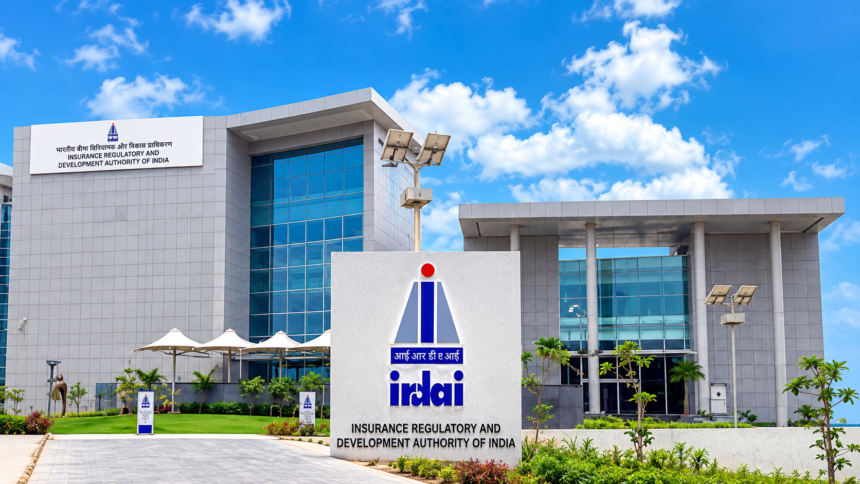
The Insurance Regulatory and Development Authority of India (IRDAI) has proposed a series of changes aimed at reshaping the way insurance products are distributed and sold in India. The proposals cover areas such as insurance commissions, customer data collection, expenses incurred by insurers, loan-linked insurance and safeguards against mis-selling.
The regulator has issued a consultation paper on recalibrating the economics of insurance distribution. Since the document is still under consultation, the proposals are not final regulations and could change before any rules are implemented.
For consumers, one of the most notable suggestions is that insurers and distributors should not require a mobile number, email address or other personal information simply to view insurance premiums or compare policies.
No Personal Details Required to Check Insurance Premiums
IRDAI has proposed preventing insurance websites from requiring customers to submit personal information before showing product features, prices or policy comparisons.
At present, some insurance websites ask users to provide details such as their name, mobile number and email address before displaying premium quotes. The information can then be used to generate sales leads for agents or sales teams.
IRDAI has described such practices as “dark patterns” and proposed prohibiting them under insurance regulations. The regulator said product, pricing and quality-related information should be presented in a standard, clear and easy-to-understand format without requiring personal details.
The proposal also refers to guidelines issued by the Central Consumer Protection Authority under the Consumer Protection Act, 2019.
Proposed Changes to Insurance Commissions and Expenses
IRDAI has proposed bringing back product- and distribution-channel-specific limits on commissions paid to insurance intermediaries. These intermediaries include individual agents, banks, brokers and online insurance platforms.
In 2023, IRDAI removed fixed commission caps and provided insurers with greater flexibility, subject to overall expense limits. Under the new proposal, commission levels could vary based on factors such as the insurance product, policy duration, distribution channel and the effort involved in selling and servicing the policy.
For life insurance, the regulator has also proposed reducing large upfront payments and linking a greater portion of remuneration to policy renewals. Additional incentives have been proposed for insurance business generated from rural areas and smaller towns.
The proposed changes could affect businesses such as Policybazaar’s parent company PB Fintech, banks and insurance brokers that generate revenue through insurance distribution. However, the figures in the consultation paper are proposed limits rather than final commission rates, and actual payments would depend on the relevant product and category.
IRDAI has also proposed tighter limits on insurers’ overall Expenses of Management (EoM), which include commissions as well as costs related to salaries, branches, advertising, technology and administration.
| Insurer | Proposed Expense Limit |
|---|---|
| Life insurers | 15% of Gross Direct Premium Income (GDPI) within two years and 12.5% within five years |
| General insurers | 25% within two years and 20% within five years, based on domestic GDPI |
For general insurers, the proposal would also change the basis for calculating expenses from Gross Written Premium (GWP) to domestic Gross Direct Premium Income (GDPI).
Insurance Would Not Be Compulsory With Loans
Another major proposal concerns insurance sold alongside loans. Banks and lenders may offer insurance with products such as home loans, personal loans and other credit facilities.
IRDAI has proposed prohibiting compulsory bundling of insurance with loans, while allowing certain combinations that meet specified conditions.
Under the proposed framework, borrowers should not be forced to purchase insurance from a particular insurer. The cost of the loan and the insurance would need to be shown separately, while customers would have the freedom to choose the insurance policy.
The proposal is aimed at giving borrowers greater clarity when evaluating insurance offered alongside credit products.
IRDAI has also proposed stronger safeguards against mis-selling. These include linking the identity of the individual seller with each policy, publishing information related to mis-selling incidents and allowing insurers to recover commissions from distributors when mis-selling occurs through a mechanism known as clawback.
The regulator has further proposed restrictions on volume-based or reward-based incentives for employees of banks and NBFCs involved in selling insurance.
Simpler Distribution Structure, Bima Sugam and Public Insurance Registry
IRDAI has proposed restructuring the existing intermediary framework into three broad categories: Insurance Distribution Entities (IDEs), Insurance Distribution Persons (IDPs) and Market Infrastructure Institutions (MIIs).
The proposal would also allow intermediaries to distribute non-insurance financial and non-financial products, enabling them to diversify their sources of revenue.
Greater transparency is another part of the proposed framework. Insurers and large distributors would be required to disclose commission structures in simple language. Certain commercial insurance products would also include commission disclosures, while mandatory cost audits would cover insurer expenses and intermediary payouts.
The consultation paper also highlights digital initiatives such as Bima Sugam and the proposed Public Insurance Registry (PIR). Bima Sugam is envisaged as a digital marketplace through which customers can discover, compare and purchase insurance products. The PIR is proposed as digital public infrastructure intended to improve access to insurance-related information.
Together, these proposals are aimed at creating a more transparent insurance distribution framework while giving customers greater access to pricing and product information.