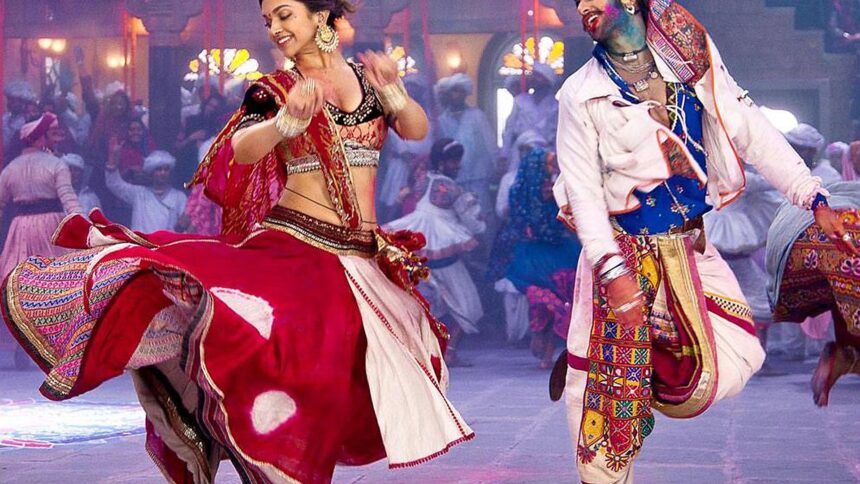
Navratri brings vibrant music, colourful outfits and energetic Garba and Dandiya nights. However, spending several hours dancing, making quick turns and moving on hard surfaces can leave your feet sore and tired. Tight footwear, stiff traditional shoes and repeated friction can also cause painful blisters.
The good news is that a few simple precautions can help reduce discomfort and make festive dancing more comfortable. From choosing suitable footwear to following a post-dance recovery routine, here are five practical ways to protect your feet throughout Garba season.
1. Choose Comfortable Footwear Before You Dance
Traditional footwear such as juttis, mojris and embellished sandals can complete a festive outfit, but uncomfortable shoes may cause rubbing, pressure and soreness during extended dance sessions.
How to protect your feet:
- Break in new footwear gradually: Wear new juttis or mojris for short periods at home before the festival. Avoid wearing stiff, unfamiliar shoes for an entire night of dancing.
- Look for cushioning: Choose footwear with comfortable insoles, secure straps and enough room for your toes to move naturally.
- Avoid unstable heels: Flat or low-heeled footwear with good support may be more comfortable for extended dancing than high heels.
- Check the fit: Shoes that are too tight or too loose can increase friction and make quick movements uncomfortable.
Quick tip: Try your complete dance outfit and footwear before the event so you can identify uncomfortable areas in advance.
2. Reduce Friction to Prevent Blisters
Blisters commonly develop when repeated rubbing damages the upper layers of the skin. During Garba, this often happens around the heels, toes and sides of the feet.
A little preparation can help reduce the risk.
What you can do:
- Use blister-prevention products: Apply a suitable anti-friction balm or use protective blister patches on areas that commonly rub against your footwear.
- Protect vulnerable spots: Medical tape or purpose-made heel guards can help reduce friction in areas prone to shoe bites.
- Keep your feet dry: Sweat can increase friction inside footwear. Choose breathable materials and change damp socks when possible.
- Stop when rubbing begins: If you notice burning, tenderness or a hot spot on your skin, take a break and adjust your footwear before a blister develops.
Avoid relying on oils or coconut oil inside shoes, as they may make your feet slippery. If a blister forms, do not deliberately pop it; keep it clean and protect it with an appropriate dressing.
3. Warm Up Your Feet and Ankles Before Garba
Garba involves repetitive steps, turns and changes in direction. Moving straight into vigorous dancing without preparing your muscles may contribute to discomfort, particularly if you are not accustomed to prolonged activity.
A short warm-up can help prepare your ankles, calves and feet for movement.
Try this simple routine:
- Ankle circles: Slowly rotate each ankle in both directions.
- Gentle calf stretches: Place your hands against a wall and move one foot behind you, keeping the back heel comfortably grounded.
- Heel raises: While holding a stable support, rise gently onto your toes and lower your heels.
- Easy walking: Walk at a comfortable pace for a few minutes before joining the dance circle.
Keep every movement controlled and pain-free. Avoid forceful stretches or bouncing.
Quick tip: Start dancing at a comfortable pace and gradually increase your activity rather than trying to keep up with every fast-paced song from the beginning.
4. Take Breaks and Stay Hydrated During the Celebration
Dancing continuously for hours can leave your feet, calves and ankles fatigued. Heat, sweating and insufficient fluid intake may also contribute to muscle cramps and general exhaustion.
Pacing yourself can help you enjoy the festivities without placing unnecessary strain on your body.
Follow these simple habits:
- Take regular breaks: Step away from the dance floor when your feet feel tired or uncomfortable.
- Drink water regularly: Have fluids throughout the evening, particularly if you are sweating heavily.
- Listen to your body: Reduce your pace when you experience unusual soreness, cramps or fatigue.
- Choose a suitable surface: Whenever possible, dance on a stable, reasonably even surface with enough room to move safely.
- Avoid dancing through pain: Persistent or worsening pain is a reason to stop and assess what is causing it.
Remember that breaks are part of a sensible activity routine, not a reason to miss out on the celebration.
5. Follow a Gentle Foot Recovery Routine After Garba
After an energetic evening, your feet may feel tired, warm or sore. A few simple recovery measures can help you relax and assess whether you need additional care.
Try these steps at home:
- Rest your feet: Remove your footwear and allow your feet to recover.
- Elevate your legs: Rest with your feet supported on a pillow if they feel mildly swollen.
- Use a comfortable compress: A cool compress may help soothe minor soreness or swelling. Avoid applying ice directly to the skin.
- Moisturise dry skin: Apply a gentle foot cream to dry areas, avoiding open blisters or broken skin.
- Allow time to recover: If your feet remain sore, reduce high-impact activity until the discomfort settles.
A warm foot soak may feel relaxing, but it is not essential for recovery and will not necessarily reduce inflammation. Avoid hot water, especially if your feet are swollen or irritated.
When Should You Seek Medical Advice?
Mild tiredness after dancing may improve with rest, but some symptoms need attention. Seek medical advice if you develop severe or persistent foot pain, significant swelling, difficulty walking, or a blister that becomes increasingly red, warm or painful.
If you have diabetes, reduced sensation in your feet or circulation problems, take extra care with blisters and skin injuries and seek professional advice early.