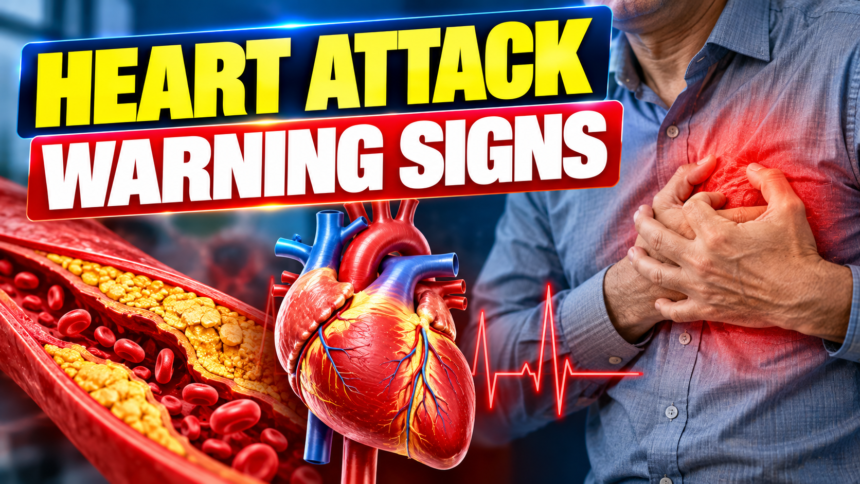
A heart attack, medically known as an acute myocardial infarction, occurs when blood flow to part of the heart muscle is suddenly interrupted. A blood clot blocking a coronary artery can prevent the heart from receiving the oxygen it needs, potentially causing serious and sometimes permanent damage.
Coronary artery disease can develop gradually without obvious symptoms. In some cases, a person may not realise there is a problem until a major cardiac event occurs. Understanding the warning signs, recognising risk factors and seeking timely medical attention can help reduce the risk of severe complications.
What Is an Acute Myocardial Infarction?
An acute myocardial infarction, commonly called a heart attack, happens when the blood supply to a section of the heart muscle is suddenly reduced or blocked. This is often caused by a blood clot forming inside a coronary artery.
When the affected area does not receive enough oxygen-rich blood, heart muscle cells begin to suffer damage. Without prompt treatment, some of this tissue may die. The extent of the damage depends on the location of the blockage, the amount of blood flow interrupted and how quickly medical treatment begins.
A heart attack is a medical emergency. Immediate treatment can help restore blood flow, limit damage to the heart muscle and improve the chances of recovery.
What Causes Coronary Artery Blockage?
Coronary artery blockage generally develops because of a condition called atherosclerosis. It occurs when cholesterol, fatty substances and other materials accumulate along the inner walls of the arteries, forming deposits known as plaques.
As these plaques grow, they can narrow the arteries and restrict the supply of blood to the heart. If a plaque ruptures, a blood clot may form at the affected site and suddenly block the artery, triggering a heart attack.
The left main coronary artery is particularly important because it supplies blood to a substantial portion of the heart muscle through its branches. A severe blockage in this artery can therefore have life-threatening consequences.
Early identification of coronary artery disease and appropriate medical management can help reduce the likelihood of serious complications.
Warning Signs of Coronary Artery Disease
Coronary artery disease can produce several symptoms, although their intensity varies from person to person. Common warning signs include:
- Chest pain, pressure, tightness or discomfort
- Pain spreading to the arms, shoulders, back, neck or jaw
- Shortness of breath
- Unusual tiredness or weakness
- Excessive sweating
- Nausea or dizziness
Chest discomfort may become more noticeable during physical activity or emotional stress. However, some people experience few or no obvious symptoms, particularly during the early stages of the disease.
In certain cases, a heart attack may be the first clear indication of an underlying coronary artery problem. Mild symptoms can also be mistaken for acidity, indigestion or ordinary fatigue.
People with diabetes, high blood pressure, elevated cholesterol, obesity or a smoking habit may face a higher risk of heart disease. Sudden chest discomfort or unexplained breathlessness should never be ignored.
Can Heart Blockage Be Detected Before a Heart Attack?
Yes, coronary artery disease can often be identified before a heart attack occurs. However, some blockages may become dangerous suddenly, even when symptoms have not been obvious.
Doctors assess a person’s risk by considering blood pressure, cholesterol, blood sugar, smoking habits, family history and other relevant health factors. Depending on the symptoms and individual risk profile, they may recommend different diagnostic tests.
An electrocardiogram (ECG) records the heart’s electrical activity. An exercise stress test evaluates how the heart responds to physical exertion, while an echocardiogram uses ultrasound to assess the heart’s structure and function.
A CT coronary angiogram can help identify narrowing in the coronary arteries. In selected cases, conventional coronary angiography may be recommended to examine the arteries more closely.
No single test can detect every case of coronary artery disease, and routine screening is not necessary for everyone. The choice of investigation depends on a person’s symptoms, medical history and overall risk.
Maintaining a balanced diet, exercising regularly, avoiding tobacco and attending appropriate medical check-ups can help support heart health. Anyone experiencing sudden chest pain, severe breathlessness or other possible heart attack symptoms should seek emergency medical care immediately.
Disclaimer: This article is intended for general informational and educational purposes only. It does not replace professional medical advice, diagnosis or treatment. Symptoms and risk factors can vary between individuals. Seek immediate medical attention if you suspect a heart attack, and consult a qualified healthcare professional for personalised advice about heart health.