

High blood pressure, also known as hypertension, is a major risk factor for heart disease and stroke. Although some people need medication to manage the condition, everyday dietary choices can also influence cardiovascular health.
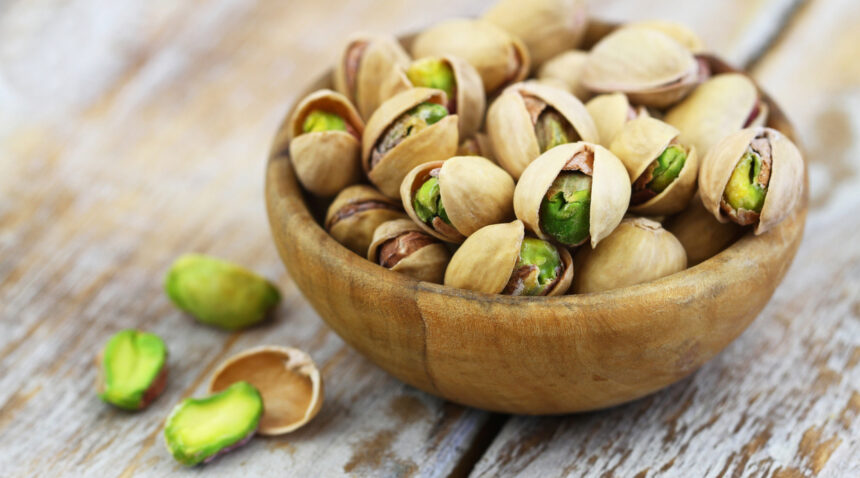
Pistachios, commonly known as pistas, are among the foods that may offer some heart-health benefits. They contain potassium, fibre, healthy unsaturated fats, antioxidants and other plant compounds that may support healthy blood pressure.
Can pistachios help lower blood pressure?
Research indicates that eating pistachios regularly may have a modest positive effect on blood pressure. Some studies have reported reductions in systolic blood pressure, which is the upper number in a blood pressure reading, along with improvements in certain metabolic health markers.
In one study, adults with overweight or obesity who ate approximately 1.5 ounces, or 42.5 grams, of pistachios every day for four months experienced lower systolic and diastolic blood pressure. Interestingly, participants in the groups recorded similar amounts of weight loss, suggesting that the blood pressure changes were not solely linked to weight reduction.
Another study looked at adults with type 2 diabetes. Researchers found that including pistachios in a moderate-fat diet led to a reduction in systolic ambulatory blood pressure after four weeks. Ambulatory blood pressure monitoring involves recording blood pressure at different times during the day and night with a wearable device.
Why may pistachios benefit blood pressure?
The potential cardiovascular benefits of pistachios may come from a combination of their nutrients and naturally occurring plant compounds.
Potassium: Pistachios provide potassium, a mineral that plays an important role in regulating blood pressure. Getting enough potassium may help offset some of the effects of consuming excess sodium and may also support healthy blood vessel function.
L-arginine: These nuts also contain L-arginine, an amino acid that the body uses to produce nitric oxide. Nitric oxide helps blood vessels relax and widen, which can support normal blood flow.
Healthy fats and antioxidants: Pistachios are mainly made up of unsaturated fats and also contain antioxidants and other plant compounds. Replacing foods high in saturated fat or refined carbohydrates with nuts may help make an overall diet more heart-friendly.
How many pistachios should you eat daily?
Around 49 pistachios can be considered a practical serving for most people. This amount contains approximately 159 calories, 5.7 grams of protein and 3 grams of fibre.
However, eating more does not necessarily provide greater benefits. Pistachios are nutrient-rich but also relatively calorie-dense, making portion control important, particularly for people who are trying to manage their weight.
The variety you choose also matters. Salted pistachios can contain significant amounts of sodium, and consuming too much sodium can contribute to higher blood pressure. Unsalted or lightly salted pistachios may therefore be a better choice. Checking the nutrition label can help when selecting packaged varieties.
People with tree-nut allergies should avoid pistachios. Those with certain digestive conditions or advanced kidney disease should consult a healthcare professional before adding them regularly to their diet.
Pistachios are not a replacement for blood pressure treatment
While pistachios may support cardiovascular health, eating them alone cannot cure or control hypertension. They are most useful when included as part of an overall balanced eating pattern.
The DASH diet, for example, focuses on fruits, vegetables, whole grains, beans, seeds, nuts and lean protein while limiting sodium intake.
For people already living with high blood pressure, dietary changes should complement rather than replace prescribed treatment. Regular exercise, maintaining a healthy weight, reducing sodium intake, getting enough sleep and taking blood-pressure medicines as prescribed can all contribute to better heart health.