

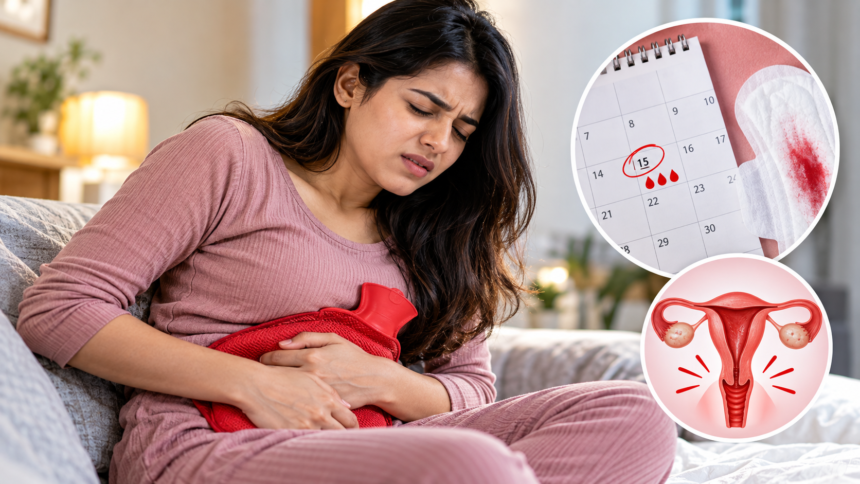
Heavy menstrual bleeding and intense period pain can make everyday activities, including working, commuting and travelling, difficult. Although some pain and bleeding are common during menstruation, symptoms that become unusually severe, last longer than normal or differ from a woman’s usual cycle may require medical attention.
Recognising warning signs is particularly important when travelling or working long hours, when access to rest and healthcare may be limited. Persistent heavy bleeding can also lead to iron deficiency and anaemia, affecting energy levels, concentration and overall well-being.
Speaking to News9 Digital, Dr Meghana Reddy Jetty, Senior Consultant in Obstetrics, Gynaecology, Laparoscopy and Aesthetic Gynaecology at Aster Women and Children, Bengaluru, and Dr Prathima A, Consultant Obstetrician and Gynaecologist at Motherhood Hospitals, Banashankari, Bengaluru, explained how women can manage menstrual symptoms and identify situations that need medical evaluation.
When Is Heavy Menstrual Bleeding a Cause for Concern?
A sudden change in menstrual flow can be an important warning sign. Dr Jetty explained that bleeding which soaks through a sanitary pad or tampon every hour for several consecutive hours, requires double protection or continues for more than seven days should not be dismissed as normal.
If such bleeding occurs at work or while travelling, women should stop strenuous activities, rest if they feel dizzy and seek prompt medical attention.
Small blood clots can sometimes occur during heavier periods. However, repeatedly passing large clots measuring more than 2.5 cm, particularly alongside heavy bleeding, pain or fatigue, warrants further assessment.
According to Dr Jetty, excessive clotting may be associated with conditions such as uterine fibroids, adenomyosis, hormonal imbalances, ovulatory problems and other causes of abnormal uterine bleeding.
Staying hydrated, resting and eating iron-rich foods such as lentils, beans, green vegetables, eggs and meat can support general health. However, diet alone cannot replace the blood lost through excessive menstrual bleeding.
Why Severe Period Pain Should Not Be Managed Only With Painkillers
Menstrual cramps can sometimes be relieved with a heating pad, adequate fluid intake and sufficient sleep. Certain anti-inflammatory medicines, including ibuprofen, may also help when they are suitable for the individual.
However, regularly taking painkillers simply to get through work or travel should not be treated as a normal part of menstruation.
Dr Jetty advised women to consult a gynaecologist if pain becomes severe enough to interfere with daily activities. Pain between periods, discomfort during sexual intercourse, unusually heavy bleeding and symptoms that prevent women from working or carrying out routine tasks should also be investigated.
Dr Prathima A explained that paracetamol is commonly used for mild to moderate menstrual pain, provided the person has no medical contraindications and follows the recommended dosage. The need to take painkillers frequently because the pain has become difficult to manage is a reason to seek medical advice.
Anti-inflammatory medicines can be effective for menstrual cramps, which are largely associated with prostaglandins. However, these medicines may not be suitable for everyone because of potential risks involving the kidneys, stomach and bleeding. Medical guidance is particularly important when there are concerns about these risks.
Pain that worsens over time, does not respond adequately to medication or occurs outside menstruation may indicate an underlying condition. Pain during intercourse or urination can also require investigation, as conditions such as endometriosis or adenomyosis may be responsible.
Symptoms That Require Urgent Medical Attention
Heavy bleeding can sometimes cause significant blood loss. Warning signs include:
- Severe dizziness, fainting or feeling close to fainting.
- Breathlessness or a racing heartbeat.
- Extreme weakness or an inability to remain standing comfortably.
- Repeatedly soaking through menstrual products within a short period.
- Passing large blood clots alongside heavy bleeding.
- Sudden or severe pelvic or abdominal pain, especially when different from usual period cramps.
Dr Prathima A stressed that these symptoms should not be ignored, particularly when a woman is working or travelling.
If someone feels faint, severely weak or breathless, they should stop their activity, sit or lie down in a safe place and seek urgent medical assessment. They should not drive themselves when dizzy or unsteady, and they should not delay medical care until they reach their destination.
Heavy bleeding over time can deplete the body’s iron stores and lead to iron-deficiency anaemia. This may cause persistent tiredness, reduced stamina, breathlessness during physical activity and difficulty concentrating. A doctor may recommend a complete blood count (CBC) and further tests to identify the cause of the bleeding.
Unexpected vaginal bleeding during pregnancy or when pregnancy is possible should not be assumed to be a normal period. It requires prompt medical evaluation, particularly if accompanied by abdominal pain.
When Should Women Consult a Gynaecologist?
Repeatedly missing work, cancelling travel or avoiding everyday activities because of menstrual symptoms is a reason to seek medical assessment.
Dr Jetty noted that possible causes of persistent heavy bleeding or severe pain include fibroids, adenomyosis, endometriosis, hormonal or ovulatory problems and, in some cases, bleeding disorders.
Dr Prathima A added that unusually heavy periods from the beginning of menstruation, particularly when accompanied by easy bruising, frequent nosebleeds or a family history of bleeding problems, may warrant evaluation for an underlying bleeding disorder.
Other symptoms that deserve attention include prolonged or progressively heavier bleeding, bleeding between periods and bleeding after sexual intercourse. These symptoms should not automatically be attributed to an irregular menstrual cycle.
An initial medical assessment may include a detailed menstrual history, a physical examination and blood tests such as a complete blood count. An ultrasound or other investigations may be recommended when necessary.
The doctors emphasised that heavy or painful periods should not simply be accepted as something women must endure. When symptoms repeatedly affect work, travel, physical activity, rest or social life, identifying the underlying cause can help guide appropriate treatment.
How to Prepare for Travel During Menstruation
Women who already experience heavy bleeding or severe menstrual pain may benefit from consulting their gynaecologist before a long flight, train journey or road trip.
Dr Prathima A said preparation should take into account the usual duration of menstruation, the amount of blood lost, any previous history of anaemia or weakness and symptoms that may suggest an underlying medical condition.
Depending on an individual’s circumstances, a doctor may recommend treatment to reduce bleeding, manage pain or postpone menstruation. Such decisions should be made on an individual basis rather than through self-medication.
Women with a history of anaemia may need their haemoglobin and iron levels checked before undertaking a long journey. Carrying sufficient menstrual products and any prescribed medication is also advisable.
The duration of bleeding alone does not determine whether a problem is serious. A period lasting slightly longer than usual, with flow gradually decreasing and no other symptoms, may sometimes be monitored. However, persistent or worsening bleeding, bleeding between periods or bleeding after intercourse requires medical evaluation.
The key message from the experts is that women should not feel compelled to continue working or travelling when menstrual symptoms become severe. Heavy bleeding, disabling pain, dizziness or breathlessness should be taken seriously, while recurring symptoms deserve medical attention even when they do not constitute an emergency.
Disclaimer: This article is intended for general health information only and should not be considered a substitute for professional medical advice, diagnosis or treatment. Menstrual symptoms and their causes can vary from person to person. Seek advice from a qualified healthcare professional about persistent or unusually severe symptoms, and obtain urgent medical care for signs of significant blood loss, fainting, severe pain or bleeding during pregnancy.