

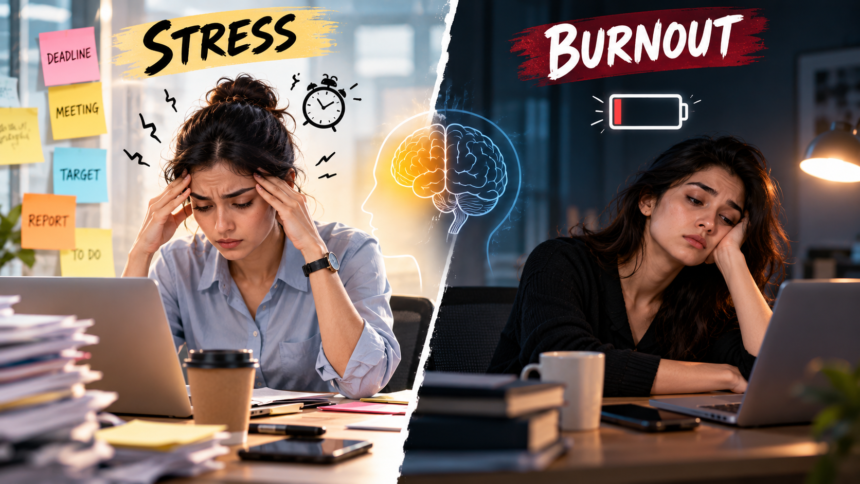
New Delhi: Workplace pressure can leave people feeling exhausted, frustrated and mentally drained. While a short break may help after a demanding week, the situation can be more concerning when tiredness continues, motivation declines and the thought of returning to work causes anxiety or dread.
Stress and burnout are often used to describe similar experiences, but they are not the same. Understanding the difference can help people recognise when everyday pressure is becoming a persistent problem that needs attention.
On World Mental Health Day 2026, Dr Paramjeet Singh, Consultant Psychiatrist at PSRI Hospital, New Delhi, spoke exclusively to News9 Digital about how stress differs from burnout, the warning signs to watch for and when professional support may be necessary.
“Stress and burnout are often used interchangeably, but they are not exactly the same. Both can affect mood, sleep, concentration and physical wellbeing, yet understanding the difference can help a person recognise when they need to change their routine or seek professional support,” Dr Singh explained.
How Is Stress Different From Burnout?
Stress is generally a response to pressure or challenging circumstances. Work deadlines, financial worries, family responsibilities and demanding schedules can all contribute to stress. In many cases, people begin to feel better when the pressure eases or the immediate problem is resolved.
Burnout, on the other hand, is associated with prolonged workplace stress that has not been successfully managed.
Dr Singh explained that the World Health Organization classifies burnout as an occupational phenomenon rather than a medical condition. This distinction highlights its connection with chronic work-related stress.
While temporary stress may ease when circumstances improve, burnout can involve a longer-lasting sense of exhaustion and emotional distance from work.
Three Major Signs of Workplace Burnout
Burnout involves more than feeling tired after a busy day or needing a holiday after a difficult month. According to Dr Singh, it has three main characteristics: persistent exhaustion, increased mental distance from work or negative feelings towards the job, and a reduced sense of professional effectiveness.
A person experiencing short-term stress may regain motivation after completing a difficult task. Someone dealing with burnout may continue to feel drained, become detached from their responsibilities and start believing that their efforts are no longer producing meaningful results.
These changes can affect both professional performance and everyday life. Recognising a persistent pattern, rather than focusing on a single difficult day, is important when deciding whether to seek help.
Symptoms That Should Not Be Ignored
Stress and burnout can affect sleep, mood, concentration and physical wellbeing. Some people may experience headaches, irritability, difficulty focusing, disturbed sleep or declining motivation.
However, these symptoms are not exclusive to burnout. Depression, anxiety, sleep disorders and certain medical conditions can produce similar difficulties.
Dr Singh cautioned against relying on online symptom searches to reach a conclusion without an appropriate assessment.
“If exhaustion, low mood, loss of interest, anxiety or sleep problems persist or begin interfering with daily life, professional assessment is important,” he advised.
Seeking guidance can help identify the reasons behind these symptoms and determine what kind of support may be appropriate.
Ways to Manage Work-Related Stress
Although demanding periods at work cannot always be avoided, changes to daily routines and workplace expectations may help people manage pressure more effectively.
Dr Singh recommended taking meaningful breaks, maintaining clear boundaries around workloads, following regular sleep routines and staying physically active. Where possible, employees should also discuss unrealistic workloads with their supervisors.
He emphasised that persistent exhaustion should not automatically be accepted as an unavoidable part of professional life. Occasional pressure may be normal, but ongoing fatigue and emotional detachment deserve attention.
Recognising the difference between temporary stress and prolonged occupational exhaustion can help people respond earlier. Depending on the circumstances, this may involve adjusting work practices, seeking support from the workplace or consulting a qualified mental health professional.
Disclaimer
This article is intended for general awareness and educational purposes only. The symptoms described may have several possible causes and should not be used to diagnose stress-related conditions or burnout independently. Anyone experiencing persistent exhaustion, emotional difficulties or problems that interfere with daily life should consult a qualified healthcare professional for an appropriate assessment.